Request a Quote 0 ↗
Materials & Sofa Buying Guides

Why Compressed Sofa Foam Springs Back After Unboxing

Understand foam recovery after compression, the difference between rebound and permanent height loss, and what to record when checking a packed sofa sample.

In short: Foam rebound, firmness and recovery after packing measure different things. Match each claim to its evidence before approving a compressed sofa.
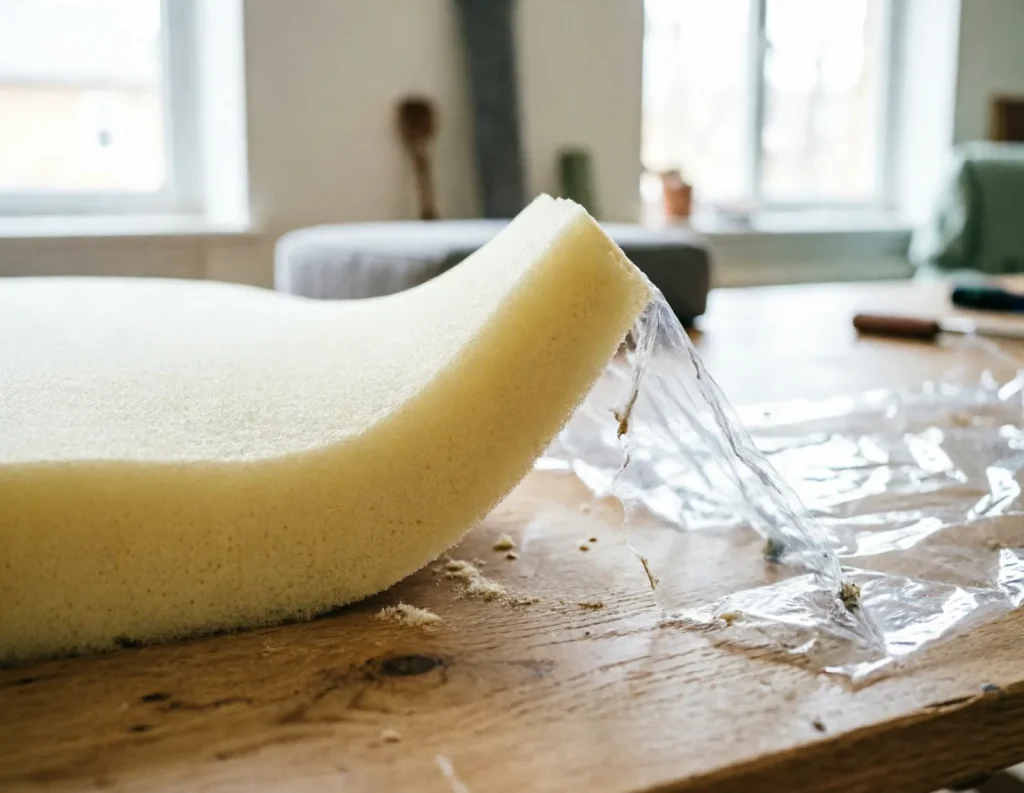
Close-up of a sofa foam cushion expanding beside torn vacuum plastic on a workshop bench

Elastic Recovery And Airflow Work Together

Flexible foam can deform under load and recover when that load is removed. In open-cell foam, connected cells also allow air to move through the material. Expansion is not an inflatable mechanism that depends on pumping up a sealed chamber. The foam structure and its response to the packing process both matter.

Recovery Is Different From A Guarantee

A material’s ability to recover does not prove that every packed sofa will return to the required shape under every storage condition. PFA uses the term compression set for permanent height loss after compression. Treat an unpacking demonstration as evidence about that particular sample and its history, not as a universal claim about all foam.

Test The Actual Packed Configuration

Ask for a sample with the same foam layers, upholstery and packing method as the proposed order. Record when it was packed and unpacked. A loose foam block can help explain a material, but it does not include the seams, covers and layered construction of a complete seat. Keep these differences visible when reviewing a supplier video.

Build A Simple Recovery Record

Before OpeningModel, batch, carton condition and packing date where available.
At UnpackingOpening time, room conditions and photographs of each module.
At Agreed CheckpointsDimensions measured at the same locations and photographs from the same angles.
At AcceptanceComparison with the agreed dimensions, cover fit and unresolved differences.

Investigate Uneven Recovery

If a module remains low or distorted after the supplier’s stated window, record the affected area instead of hiding it by rearranging cushions. Send the model reference, measurements, photographs and unpacking timeline to the supplier. Do not use steam, concentrated heat or extra force unless the product instructions specifically allow it.

Use The Result To Plan Delivery

For trade orders, the sample review should establish when the product can be assessed and how an exception will be handled. Agree the inspection process before dispatch. The companion guide on expansion time turns these checks into an unpacking plan.

Sourcing Compressed Sofas?

Compare the construction, packaging and sample requirements for your order.
Match the recovery claim to the measurement

A percentage beside “rebound” needs a definition. It may describe a foam test rather than the proportion of a sofa's final height recovered after unpacking. Ask for the property, method and specimen before comparing two values.

The Polyurethane Foam Association's performance guide describes resilience using a ball-rebound measurement, while firmness is measured by the force needed to indent foam. Neither measurement directly states how long an upholstered, compressed sofa takes to recover after shipping.

  • For resilience, keep the rebound result with the tested foam and method.
  • For firmness, keep the indentation conditions and sample details with the force value.
  • For compression set, ask for the specified test conditions and the reported permanent height loss. PFA defines this term in its foam glossary.
  • For the delivered sofa, compare the actual assembled dimensions and condition with the agreed product requirements after the instructed preparation.

Do not convert a material percentage into a delivery promise

A hypothetical “60% ball rebound” result does not mean a sofa has recovered 60% of its height. It also does not mean that the remaining recovery will take a particular number of hours. Those interpretations combine different measurements. Request separate evidence for the packed configuration.

YEINIHOME commonly uses 45D, 50D and 55D density foam in layer combinations selected for different seats, back cushions and styles. This does not establish which grade is used in a particular compressed model. Density is not a firmness rating or an unpacking deadline; confirm the proposed layer specification through the compressed-sofa page.

Record the cover, layer arrangement and sample identity with any material report. A change to that configuration needs review before carrying a previous acceptance forward. Use the expansion-time guide for the separate delivery and observation schedule.

Questions Before You Order

Does a Quick Unpacking Video Prove Complete Recovery?

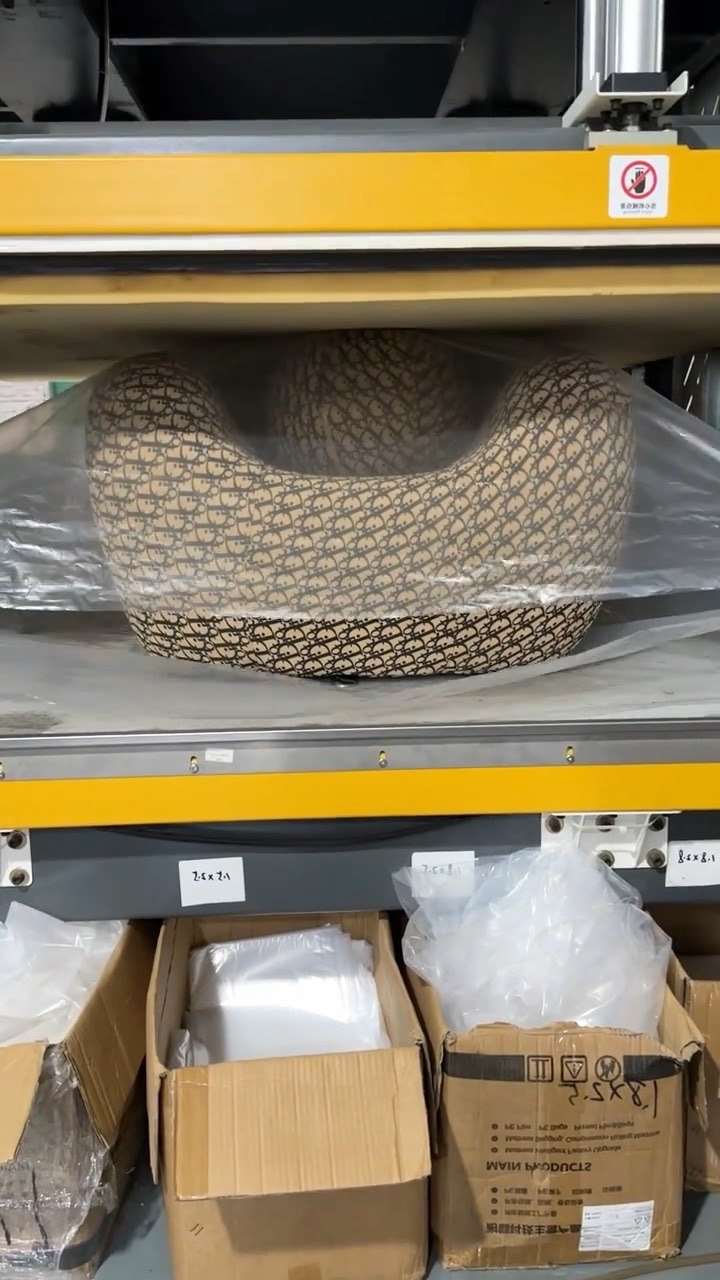
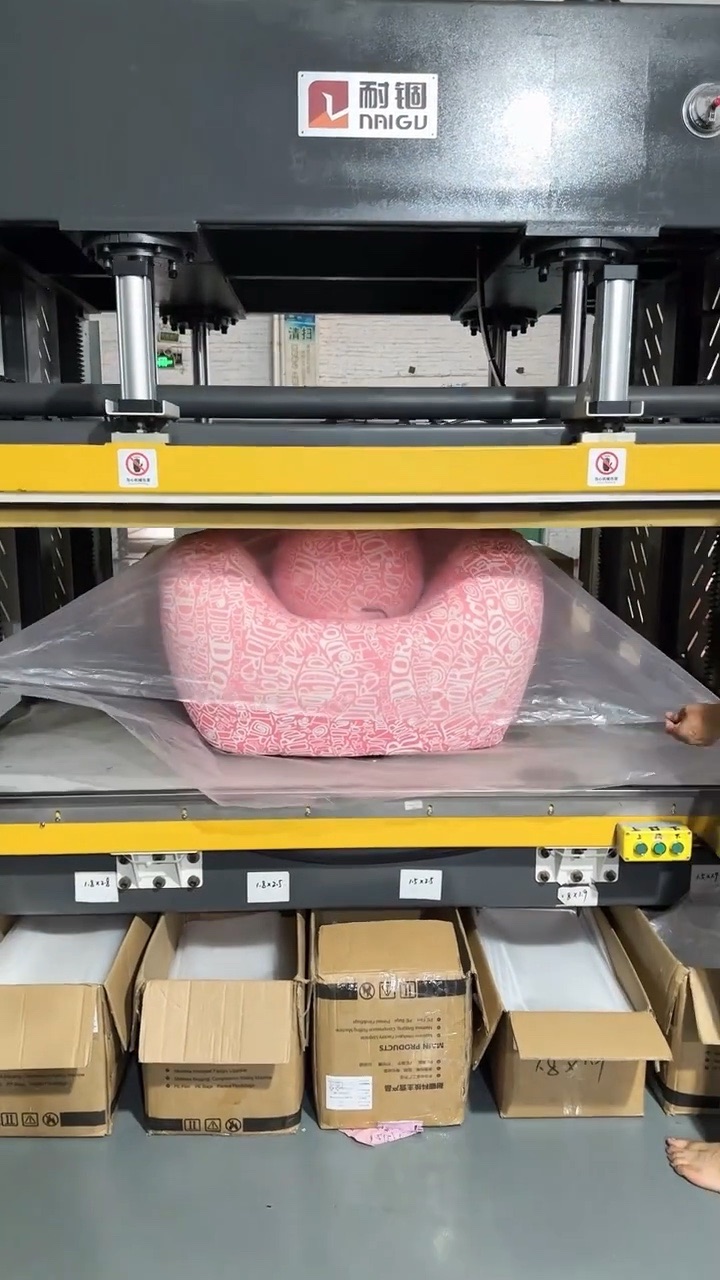
It shows that sample at the recorded moment. Review its dimensions and condition at the agreed checkpoints before accepting the result.

What Should I Do if One Module Remains Uneven?

Record its reference, measurements and unpacking timeline, then contact the supplier. Follow the model's instructions rather than applying heat or force on your own.

Does a rebound percentage show how fully a sofa has expanded?

Not unless the supplier explicitly defines that measurement. A ball-rebound result describes a foam property; it is not a percentage of the finished sofa height recovered after shipping.

References

  1. PFA: foam performance
  2. PFA: foam glossary

Sources checked October 24, 2026. Examples and suggested records are editorial planning aids. Standards are discussed only within their publicly readable scope; these references do not certify a product.

Scroll to Top