Buying Guides / Compressed Sofa Guides
Approving a Compressed Sofa Packaging Sample
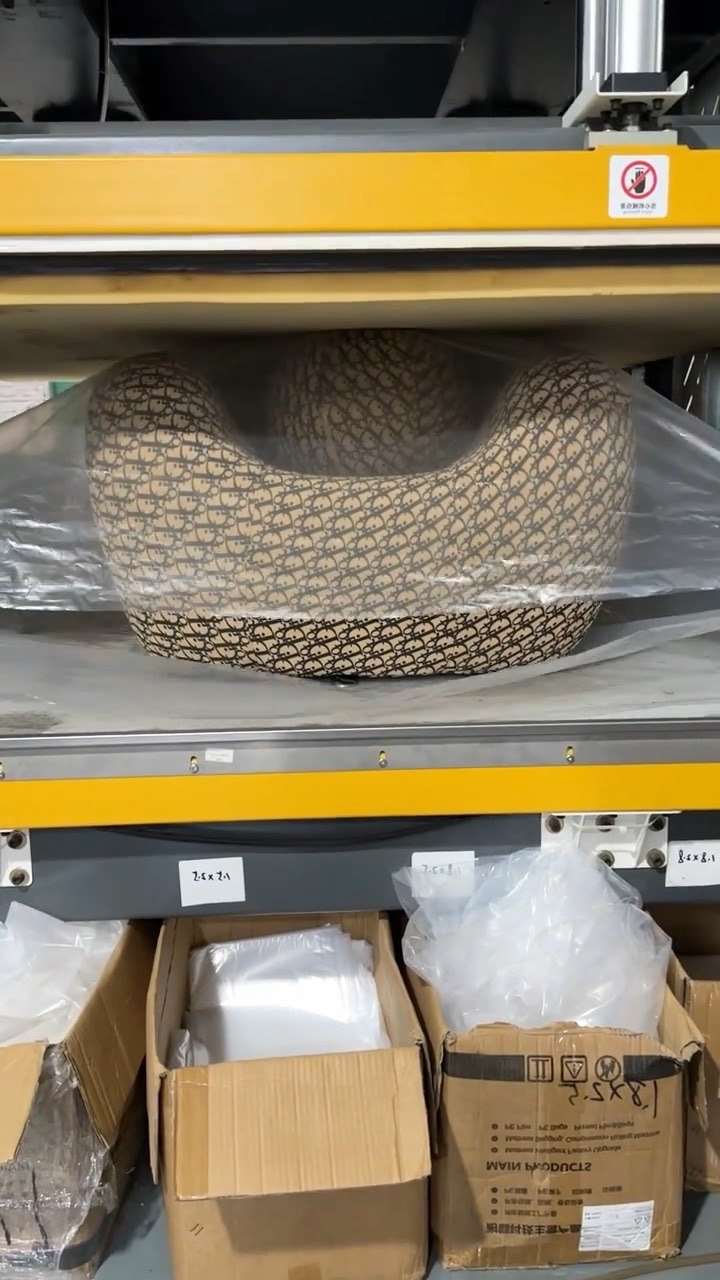
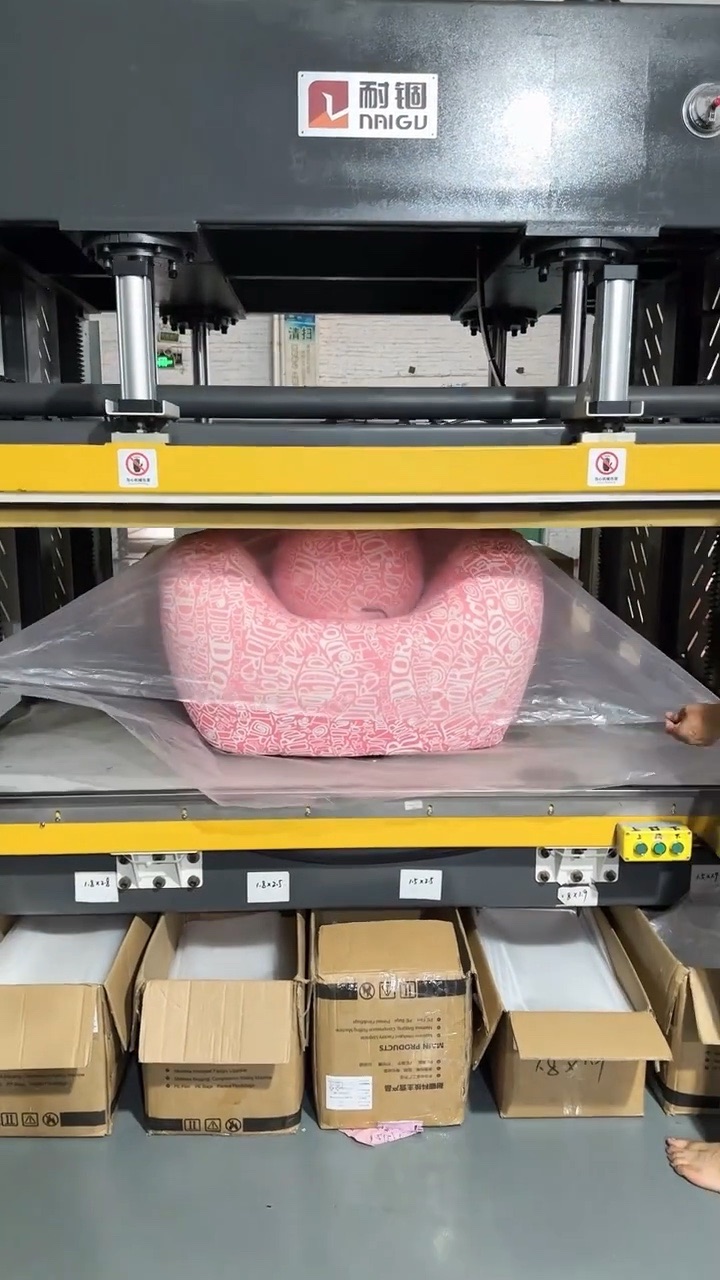
Review a compressed sofa in the packaging proposed for the order, then follow the model’s unpacking and recovery instructions. Inspect the packed sample as well as the finished sofa.
Identify the Product and Package
Record the sofa model, material revision, packing date and package specification. Ask whether the sample uses the intended carton, inner protection and closure. A different package may be useful for an early review but should be identified as a difference to resolve.
Document Opening and Recovery
Photograph package condition and follow the supplier’s instructions when opening it. Record the observation conditions and compare the recovered item with the agreed sample requirements. Do not impose a recovery period borrowed from another model or accept a generic compression-ratio claim as a substitute.
Match Evidence to the Distribution Route
If transit testing is required, ask the packaging specialist which procedure fits the intended journey and handling. Confirm that the report identifies the product-package combination being ordered. Changes to either part need review before assuming earlier results remain applicable.
Approval Record
- Product and package revision
- Packing and unpacking instructions
- Recovery observations and agreed criteria
- Relevant product-package evidence
ISTA distinguishes packaging screening tests from simulations of distribution hazards. ISTA: Test Procedures. A screening result and a route-relevant simulation answer different questions; neither is a blanket damage-free guarantee.
Keep three separate records for compressed sofa packaging
Record the unopened package, the opening process and the recovered item separately. This makes it possible to distinguish a mark already visible on arrival from one first noticed after unpacking. It does not, by itself, establish who caused damage.
Before opening, photograph the label and each accessible package face. Note the receipt time, visible crushing, punctures or moisture and any difference from the agreed carton specification. Keep the product code and packing revision in the same record. A label reading only “sofa” cannot identify which approved sample the shipment is meant to match.
Next, follow the model's opening instructions and record the opening time. Ask for clarification if those instructions are absent or do not match the package. Do not borrow a cutting method or recovery treatment from another model.
Observe recovery against agreed criteria
Use the supplier's observation schedule for that model. At each agreed check, record dimensions at the same named positions, visible shape and any unresolved issue. Note the room conditions when known. Leave unknown packing dates or storage conditions blank instead of reconstructing them from the delivery date.
Keep the result as accepted, pending clarification or not accepted under the agreed criteria. If a later observation resolves an earlier concern, preserve both entries. Retain the earlier observations so the reason for holding the sample remains clear.
ISTA distinguishes screening from distribution simulations. Its design and testing guidance is an entry point for selecting a relevant assessment with a packaging specialist. Neither reference supplies a universal compressed-sofa recovery deadline.
For a YEINIHOME (言逸家) compressed sofa review, request the proposed product-package revision and model-specific instructions. Reopen the packaging review if the material stack, packed orientation, carton or protection changes. A previously approved unpacked appearance does not establish the performance of that revised package.
Match the packaging report to each shipping stage
Ask whether the carton travels as an individual parcel, in a mixed less-than-truckload shipment, or within a unitized truckload. A compressed sofa may pass through more than one arrangement before reaching its destination.
ISTA: test procedures and public descriptions describes 3A for individual parcel shipments within its stated weight limit, 3B for LTL shipments, and 3E for similar packaged products in unitized truckload shipments. These are public application descriptions. They do not establish that a particular carton has passed a test or specify the complete test sequence.
For example, a pallet can reach a distribution centre intact and then be split into cartons for separate deliveries. Record that split. A report for the unitized shipment does not, by its title alone, answer the question about the later individual-carton journey.
Give the packaging specialist a route record
List the stages in order, with package state, handling mode, transfers and any known storage conditions. Mark unknown stages as unresolved. Attach the proposed carton and protection revision, then ask which assessment covers the actual journey. Do not choose a procedure solely because another furniture supplier used its number.
For a YEINIHOME (言逸家) compressed sofa enquiry, keep this route record beside the packed-sample observations. A route change may require the packaging evidence to be reviewed even when the unpacked sofa specification stays the same.
Questions Before You Order
Can an Unpacked Showroom Sample Approve the Packaging?
No. Review a sample in the proposed delivery package and follow its unpacking instructions and agreed inspection criteria.
What if the Packing Method Changes After Approval?
Record the change and ask whether another packed-sample review or relevant test assessment is needed before dispatch.
Does a recovered sofa prove that the carton passed a transit test?
No. Recovery observations and transport-protection evidence answer different questions. Review both against the agreed product and packaging specification.
Does a pallet shipment report also cover separate carton delivery?
Check the report and its scope. Breaking a unitized load into individual deliveries changes the handling arrangement and may require a separate assessment.
Continue Your Procurement Review
References
Sources checked October 27, 2026.