Materials & Sofa Buying Guides
How Long Does A Compressed Sofa Take To Expand?
Plan compressed sofa unpacking around model-specific recovery instructions. Use a measurement log and escalation checklist instead of a universal time promise.
Use The Instructions For The Exact Model
There is no single expansion time that applies to every compressed sofa. Ask the supplier for the recovery window and conditions for the exact model, filling and packing configuration. A time quoted for another sofa or a laboratory foam test is not a delivery promise for your order.
Schedule Opening And Inspection Separately
For an apartment handover or retail launch, allow time between opening the cartons and accepting the finished seating. Confirm when it is appropriate to use the sofa and when to measure it. If the supplier cannot provide an agreed inspection window, settle that point during sample approval rather than on installation day.
Prepare The Space Before Opening
Check the carton condition and move the package to the intended unpacking area using a handling method appropriate to its weight. Read the opening instructions before cutting wrapping. Protect the upholstery from blades, keep packaging away from children, and leave enough room for the item to expand. Follow the product instructions for assembly and ventilation.
Record Recovery Consistently
Write down the opening time, model and module reference. Measure the same height, depth and width locations at the checkpoints agreed with the supplier. Photograph the full module and any uneven area. Record room conditions and any interruption to the process; without that context, two unpacking videos may not be comparable.
When The Sofa Still Looks Uneven
Check that packaging has been removed as instructed and that covers or components are positioned correctly. If the agreed recovery window has passed, send the supplier your log and photographs. Do not apply a hairdryer, steam or other heat treatment without written product guidance. Ask for the next step before changing the item in a way that could complicate inspection.
Keep A Handover Checklist
- Correct model, module count and fabric reference.
- Opening time and agreed inspection time.
- Finished dimensions checked against the approved specification.
- Cover fit, seams and module alignment reviewed.
- Outstanding issues, photographs and responsible contact recorded.
For the material explanation, read why foam recovers after compression. For procurement, request a packed sample before deciding the schedule for a larger order.
Sourcing Compressed Sofas?
Compare the construction, packaging and sample requirements for your order.
Make the recovery log usable across shifts
Start the clock when the compression restraint is released according to the opening instructions. Record the date, time and time zone, then enter elapsed time at each agreed checkpoint. Write the elapsed hours as well as the date. "Day two" could mean the morning after a late-evening unpacking.
Use a sketch to label the measurement positions. Keep the same base, module orientation and measuring method for later readings. Record whether cushions or covers have been repositioned as instructed. If a measurement point changes, retain the earlier result and label the new basis rather than treating both values as one continuous series.
A useful log has fields for module identity, opening time, checkpoint time, elapsed time, measurement position, observed value, photograph reference and the next action. Leave the acceptance limit blank until it is agreed for the selected model. This is a suggested receiving record, not a standard test method.
Separate improvement from acceptance
A module can grow between observations and still fall outside the agreed finished specification. Conversely, a crease in the cover does not by itself identify a foam fault. Record dimensions, cover appearance and module alignment separately, then send the evidence to the supplier when the instructions call for a review.
The Polyurethane Foam Association glossary defines compression set as permanent height loss after compression. A receiving photograph or an unfinished recovery log cannot establish that laboratory property. Ask for an assessment before describing slow recovery as permanent failure.
If the supplier has not provided a model-specific recovery window, ask for it before promising a room handover date. Keep the waiting period and the final acceptance decision separate in the schedule. APM's change-control approach is relevant when a revised packing configuration changes the agreed inspection plan.
Send YEINIHOME (言逸家) the module reference, packing information and dated log through the compressed-sofa page. Do not infer a recovery deadline from another model's video.
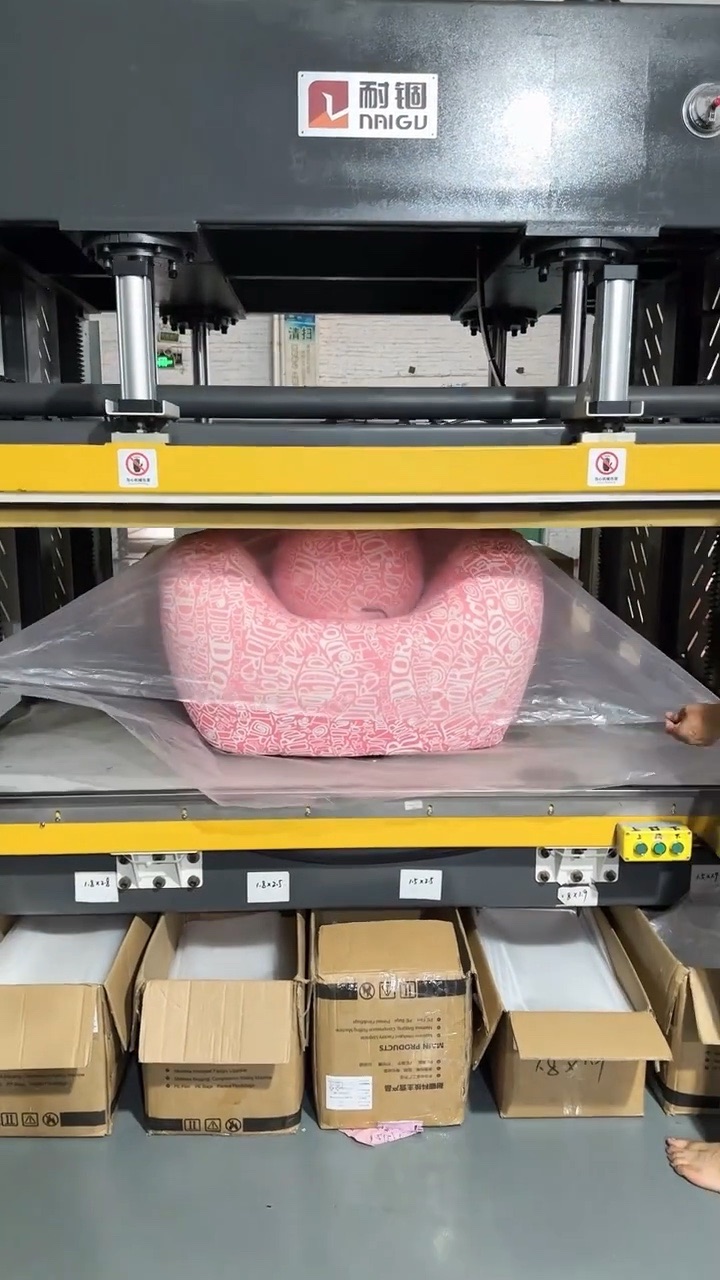 Compressed Sofa Guides
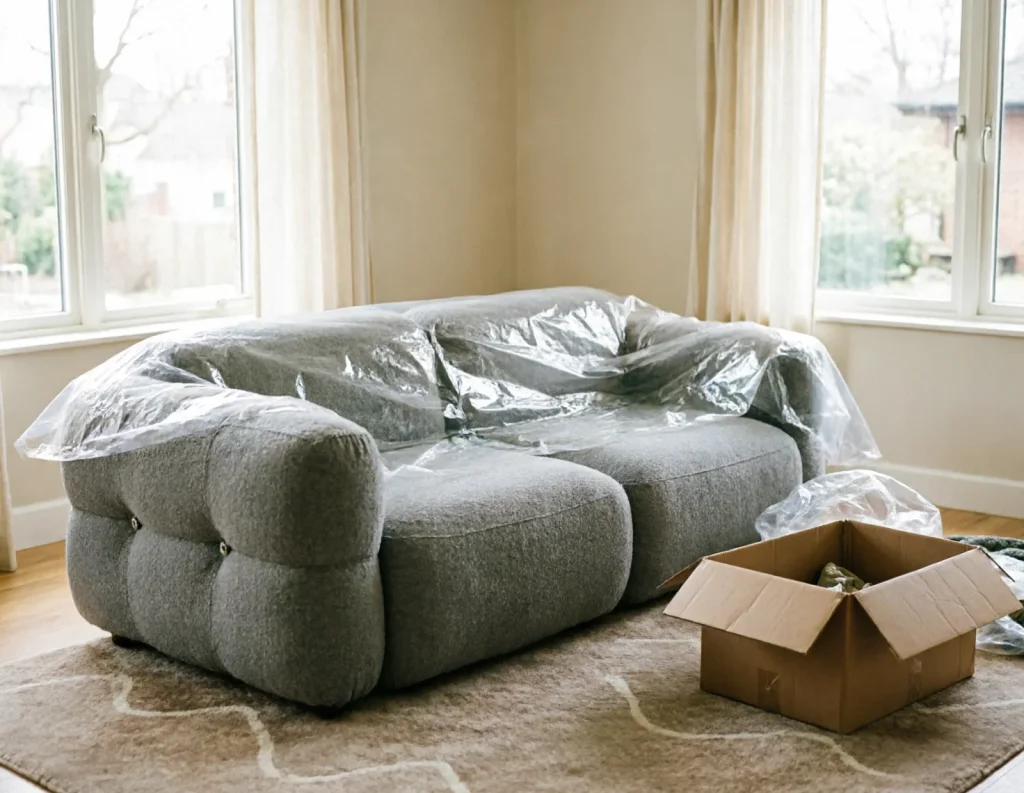
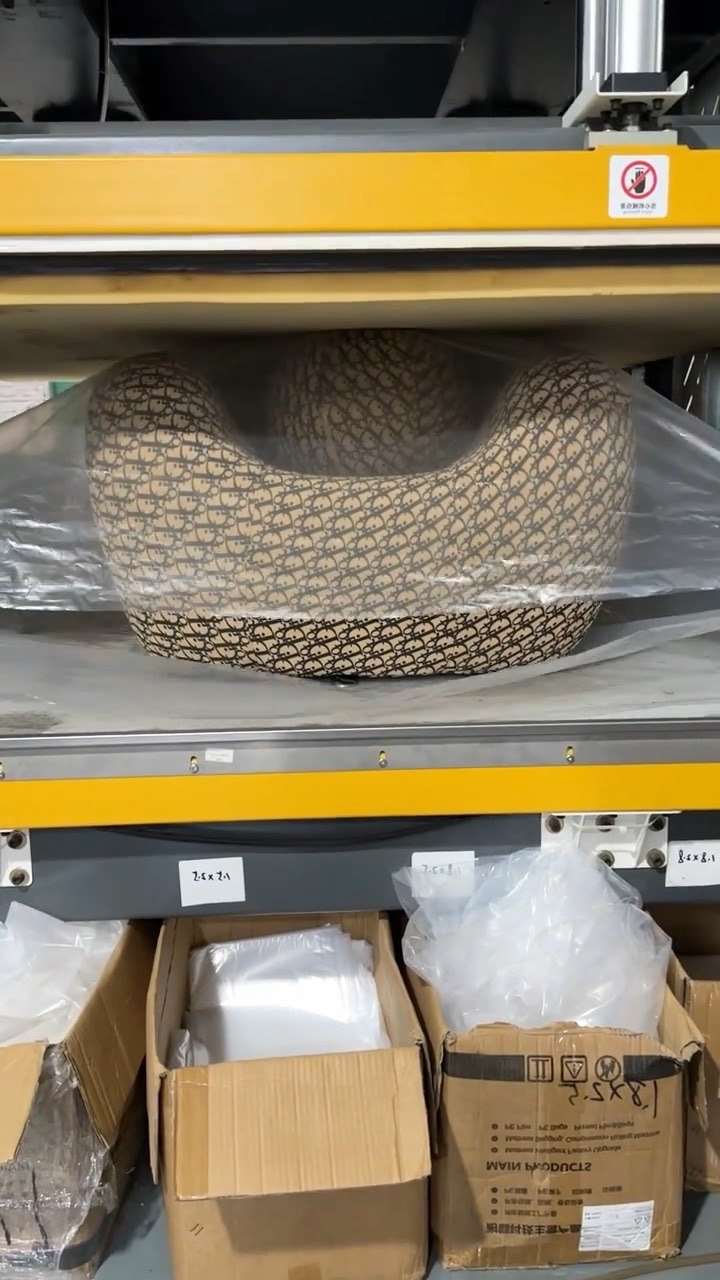 Compressed Sofa Guides
 Compressed Sofa Guides