In short
- Measure usable depth and seat height the same way on every sample, with the back cushions in place.
- Ask which reference lines a backrest angle uses before comparing numbers.
- Review the finished seat with each regular user, and record what changed if anything changes.
Sofa Comfort Checks at a Glance
| Check | Common mistake | What to record |
|---|---|---|
| Usable seat depth | Using overall sofa depth | Front edge to back cushion, along a marked line |
| Seat height | Mixing empty and occupied heights | Measurement point and whether someone was sitting |
| Backrest angle | Comparing angles measured from different lines | A side drawing with the reference lines marked |
| Cushion thickness | Assuming thicker means more comfortable | What the dimension includes: bare foam, insert or covered cushion |
| Different users | Averaging opinions into one score | Each person’s posture and where they feel discomfort |
How to Measure Usable Seat Depth and Height
Overall depth runs from the front of the sofa to the back of the frame. Usable depth is what you actually sit on: the distance from the front edge of the seat to the front of the back cushion. Keep the two in separate fields, because a sofa with a deep frame and thick back cushions can have a shallow seat.
- Choose one seat position and photograph it with the supplied back cushion in place.
- Measure usable depth along the same line on every sample. For a shaped or sloping seat, mark the line on the photo and ask how the supplier’s drawing was measured.
- Record seat height from the floor to the same point each time, and note whether the seat was empty or occupied.
- If you remove or move a back cushion, label that as a separate setup rather than replacing the original measurement.
Comparing an empty-seat drawing with a seat someone is sitting on is a common cause of “wrong size” complaints that are really just measured differently.
How to Check a Backrest Angle
The Polyurethane Foam Association (PFA) distinguishes back pitch, the angle between seat and back, from seat pitch, the seat’s angle to the floor. A quotation that says “105°” without saying what it is measured from cannot be compared with one measured from vertical.
Ask the supplier to mark the reference lines on a side elevation, and to say whether they follow the frame, the upholstery surface or a line through a shaped cushion. A product photo is not a usable angle measurement: perspective and cushion shape distort it.
A sloping fixed back is not a reclining mechanism. If a sofa is sold as reclining, ask for the mechanism instructions and approved positions. There is no single ideal backrest angle; OSHA’s seating purchasing guide recommends trying seating for fit before buying, but its office-chair dimensions don’t apply to lounge sofas.
Deep Sofas and Lumbar Cushions
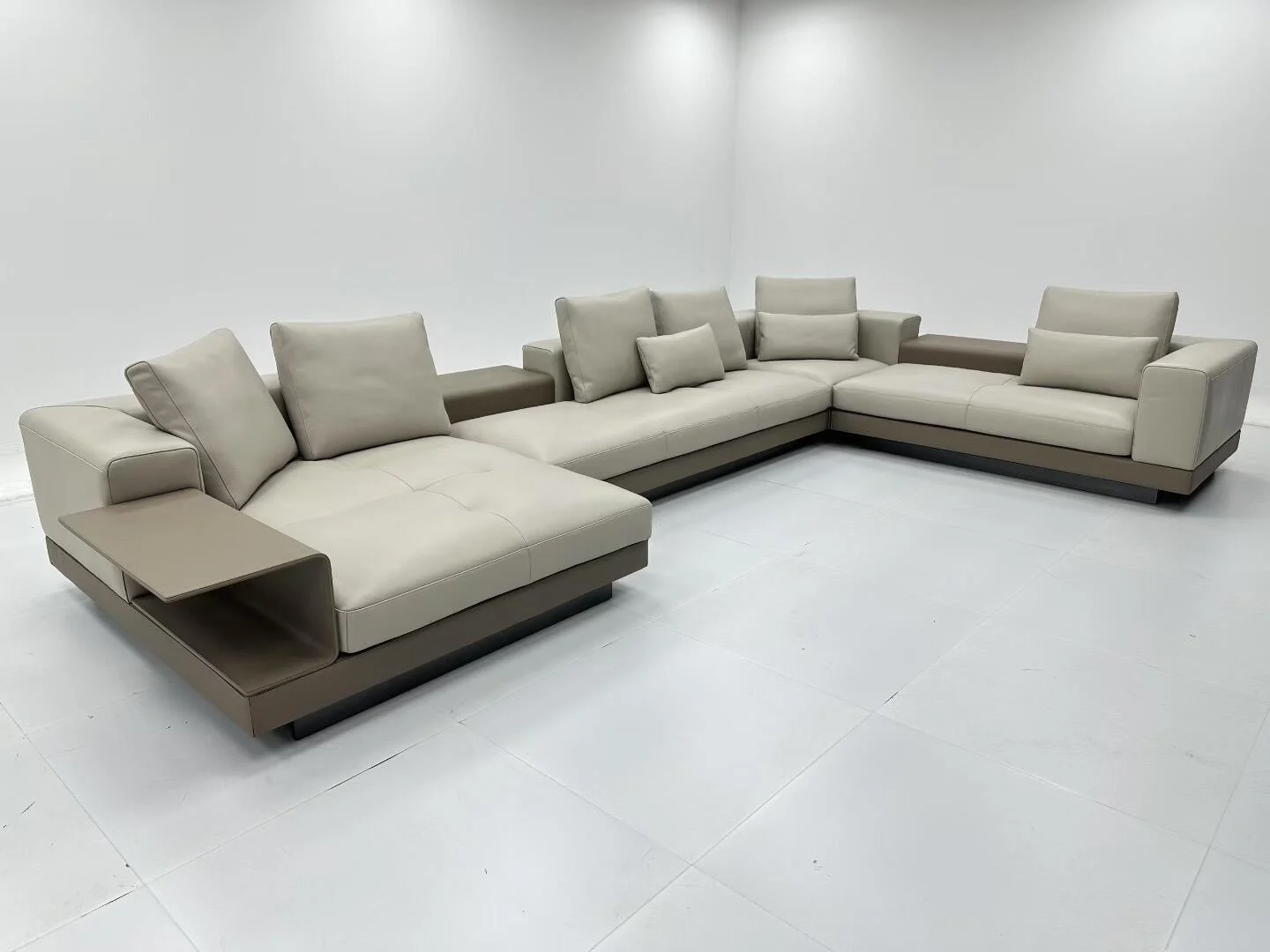
Deep, low Italian-style sofas (the term describes the look, not where they are made) suit lounging but can leave shorter users without back support. A lumbar cushion can bring the support forward. Check it in use:
- Fit the original back cushions as intended, then add the lumbar cushion without stacking other pillows behind it.
- Let it settle, then check how much seat remains in front of you and whether your feet reach the floor.
- Try both upright conversation and lounging if the sofa will be used both ways.
- If the cushion keeps slipping or you end up perched on the front edge, compare a shallower configuration instead.
A thicker lumbar cushion also takes more seat depth, so judge support and sitting space together.
Is a Thicker Cushion More Comfortable?
Not automatically. PFA notes that the right foam specification can make a thin-profile cushion work well, and that thickness is one contributor to how the seat moves, alongside the cover and the support underneath. Extra thickness also raises the occupied seat height and changes where the backrest meets you.
When comparing, ask what the quoted thickness includes (bare foam, layered insert or covered cushion) and whether it is measured loaded or unloaded. If both thickness and foam grade change between two samples, you are comparing two designs and can’t attribute the difference to thickness alone. Don’t stack extra foam under a cushion to copy a taller showroom seat; see adding foam to a sofa cushion.
Why the Same Sofa Feels Firm to One Person and Soft to Another
Body weight, proportions and posture load the seat differently. One person notices the surface resistance; another sinks further and feels the deeper support. PFA treats surface firmness and deeper support as different properties, and neither follows from foam density.
Have each regular user sit in the same position (a chaise, end seat and middle seat may differ), then write down their specific complaint: pressure at the front edge, can’t reach the back, too much sinking, hard to get up. A shared label like “medium-firm” hides the disagreement. Keep the different preferences visible instead of averaging them.
Why the Front Edge Can Feel Firmer
The front of a seat can feel firmer than the centre because the support, cushion profile, cover tension and your sitting position are different there. That doesn’t by itself mean a fault or a different foam density.
Note whether it is a broad band, a narrow line or a hard point, and whether you feel it sitting back, perched forward or getting up. Check the cushion is in its intended position, but don’t flip a layered cushion or swap modules to hide the symptom. Ask the supplier how the front edge of that model is built. If you find a hard projection, visible damage or a sudden change, stop using that seat and ask for an inspection.
Can a Different Cover Change the Seat Feel?
Yes. PFA’s furniture-design bulletin notes that a substantially different cover material can change how a seat sits, even with the same foam. A 50D label that stays the same after reupholstery doesn’t prove the cushion will feel unchanged.
Record the old and new fabric references, and whether the insert, wrap or cushion size changed at the same time. If a new cover won’t close normally, stop rather than forcing the zip or trimming the insert, and have the cover and insert checked as a pair. A loose throw shows colour and texture but cannot reproduce a fitted cover.
Why a Foam Sample Feels Different From the Cushion
Squeezing an offcut tells you about that piece of foam, not the seat. PFA’s firmness bulletin explains that sample size affects the measured firmness (IFD) and recommends matching dimensions when comparing. A finished seat also adds a wrap, other layers, the cover and the base.
Use samples to narrow choices, then label what each one is: bare foam, a loose insert or an upholstered seat in the intended model. For the final decision, sit on the finished construction. On hotel projects, include the final seating in the mock-up room review.
A Comfort Review Record
| Record | What to keep with it |
|---|---|
| Usable seat depth | Seat position, back-cushion code and measurement line |
| Seat height | Measurement point; empty or occupied |
| Backrest | Side drawing with reference lines; fixed or reclining |
| Cushion setup | Layer specification, cover fabric and base |
| Seated observations | Each user’s posture, back and foot support, ease of getting up |
| Changes | Any cover, cushion, support or dimension change that needs another review |
Match the seat to the space. A deep lounging seat may suit a guest room or villa living room but not a reception area where guests sit briefly and need to get up easily. Keep the approved sample code with the order so a later change can be identified.
Seat Construction in YEINIHOME Sofas
YEINIHOME makes its sofas in its own factory in Foshan. We commonly use 45D, 50D and 55D foam in layers chosen for the seat cushion, back cushion and model, and some models add a goose feather-and-down bag with fine quills. The sofa foam guide explains how to read those figures.
In your enquiry, send the model, where the sofa will be used and who will sit on it, and ask for a side drawing with seat height, usable depth and the backrest reference lines. Orders start from one piece per model, so you can review a seat before committing to a larger quantity.
Frequently Asked Questions
What is a comfortable sofa seat depth?
There’s no single figure. Shorter users and upright sitting suit a shallower seat; lounging suits a deeper one. Measure usable depth, not overall depth, and try it with the intended users.
Does a deep seat suit every hotel area?
No. It can suit guest rooms and lounges, but reception seating needs back support and an easy rise.
Should a heavier person choose 55D foam?
Density alone can’t select a seat. Review firmness, layers, dimensions and the base with that person.
Can an extra back pillow fix a seat that’s too deep?
It can reduce usable depth, but it also changes your posture. Try the arrangement and confirm any supplied cushion change before ordering.
Does a firm front edge mean the cushion is wearing out?
Not by itself. Record whether the feeling has changed and whether there’s visible deformation, then let the supplier assess it.
Does Italian-style mean made in Italy?
No. It describes the design. Manufacturing origin is shown in the product and order documents.
Sources and References
Polyurethane Foam Association: Foam in furniture design (rev. 2016)
Polyurethane Foam Association: Foam performance