Buying Guides / Lounge Chair Guides
Reviewing Lounge Chair Seat Depth, Height and Arms
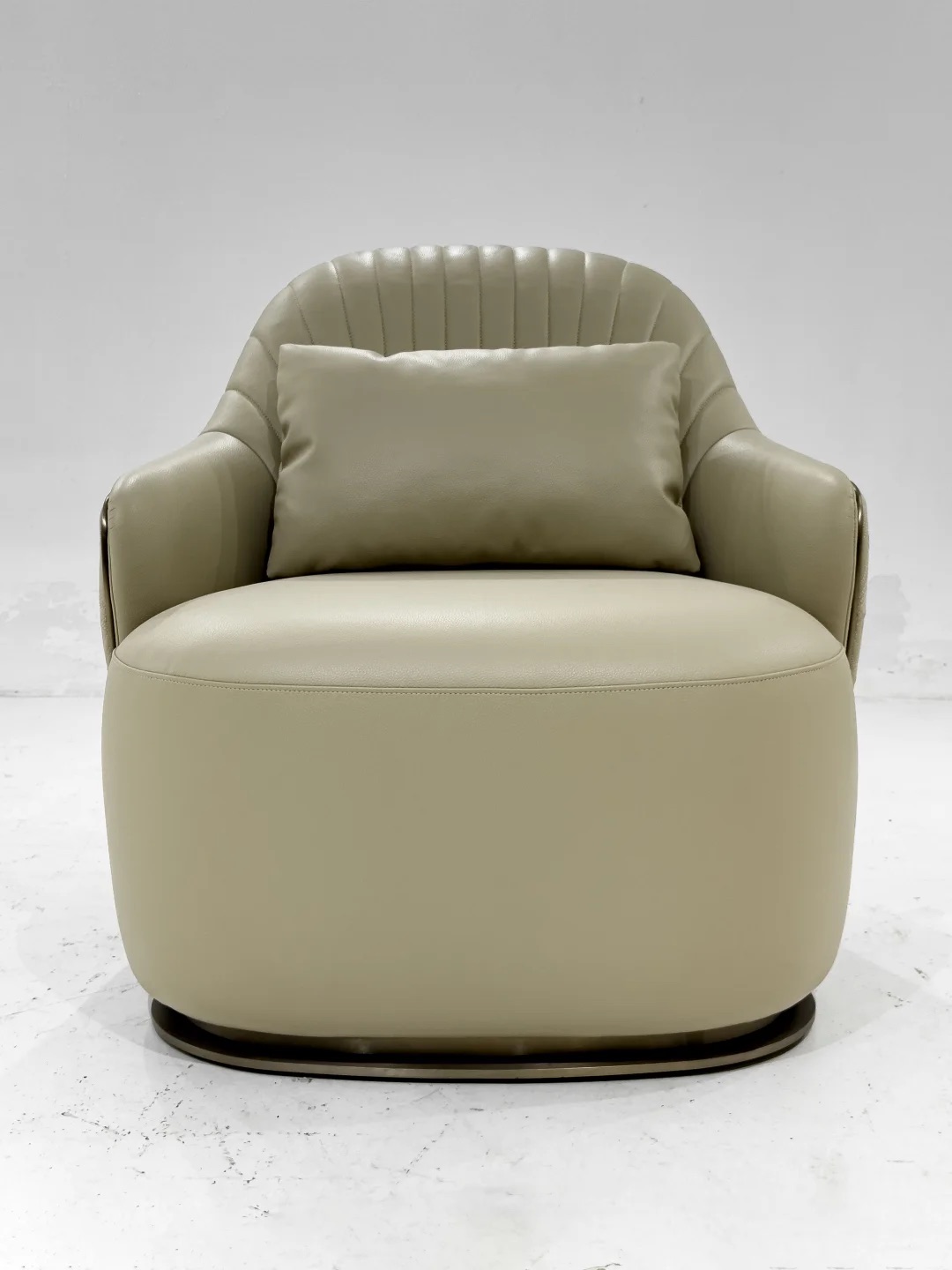
Compare a lounge chair through an ordinary-use sample review. Record usable seat depth, height and arm support together, then review the chair beside the furniture it will actually accompany.
Measure Consistently
Separate overall depth from the usable seating surface. Record how loose back cushions affect the available space and use the same measurement method for each candidate. Note any adjustments or removable cushions present during the review.
Ask Reviewers to Use the Chair
Observe sitting down, resting the arms, reaching a side table and getting up. Keep each reviewer’s comments attached to the sample code. A deep relaxed chair may be preferred for one task and rejected for another, so record the reason rather than only a score.
Review the Final Cushion Specification
Ask which filling and upholstery combination the sample represents. If the supplier changes either, identify what must be reviewed again. Do not use a material density number as a direct substitute for evaluating the assembled chair.
Approval Record
- Usable seat measurements
- Arm position and ordinary movement
- Individual observations and use case
- Final cushion and fabric reference
The Polyurethane Foam Association distinguishes foam density from firmness. Polyurethane Foam Association: Foam Performance. Density and firmness describe different foam properties; neither alone records the complete chair experience.
Compare lounge-chair seat depth in two ordinary positions
Ask the same reviewer to compare each candidate in the posture intended for the room. With the final back cushion fitted, first record a supported sitting position. Then observe the ordinary movement toward the front of the seat before standing. Keep those observations separate: a chair chosen for relaxed reading may feel different during a short conversation or frequent movement.
For the supported position, note whether the reviewer can rest against the back, where their feet meet the floor and how their forearms meet the arms. For getting up, record whether they reposition first, what they hold and what felt awkward. Do not ask them to perform a movement that feels unsafe, and do not use this informal review as a clinical assessment.
Keep dimensions separate from personal observations
Measure the unoccupied seat using an agreed reference and record where the back cushion sits. Add the occupied observations in another column. A compressed cushion surface is not the same measurement as the unoccupied seat height, and a preference from one reviewer does not establish a universal ideal depth.
For example, one reviewer may prefer chair A while resting and chair B when standing. Retain both comments with their tasks instead of averaging them into a score that conceals the difference. Ask the project's decision maker which use matters for the intended room. The example describes a review method, not survey findings.
The PFA performance guide distinguishes foam density from firmness; neither replaces this assembled-chair comparison. A structural performance reference such as the BS EN 16139:2025 public preview addresses a different question and does not establish an individual's comfort.
Give YEINIHOME the selected lounge-chair reference, final upholstery and cushion configuration with the observations. If a cushion or fabric changes, identify which part of the comparison needs repeating before accepting the new configuration.
Questions Before You Order
Is Overall Chair Depth the Same as Usable Seat Depth?
No. Record the seating space with the final back cushion in position and state the measurement method.
Should the Chair Be Reviewed Beside Its Table?
Yes. Check reach, arm position and getting up with the neighbouring furniture in place.
What if a chair feels comfortable for reading but awkward to get out of?
Keep both observations with the reviewer and task. Review the intended room use and compare alternatives; do not hide the difference inside one average comfort score.
Continue Your Procurement Review
References
Sources checked October 24, 2026. Examples and suggested records are editorial planning aids. Standards are discussed only within their publicly readable scope; these references do not certify a product.