Buying Guides / Lounge Chair Guides
Lounge Chair Sample Approval Checklist
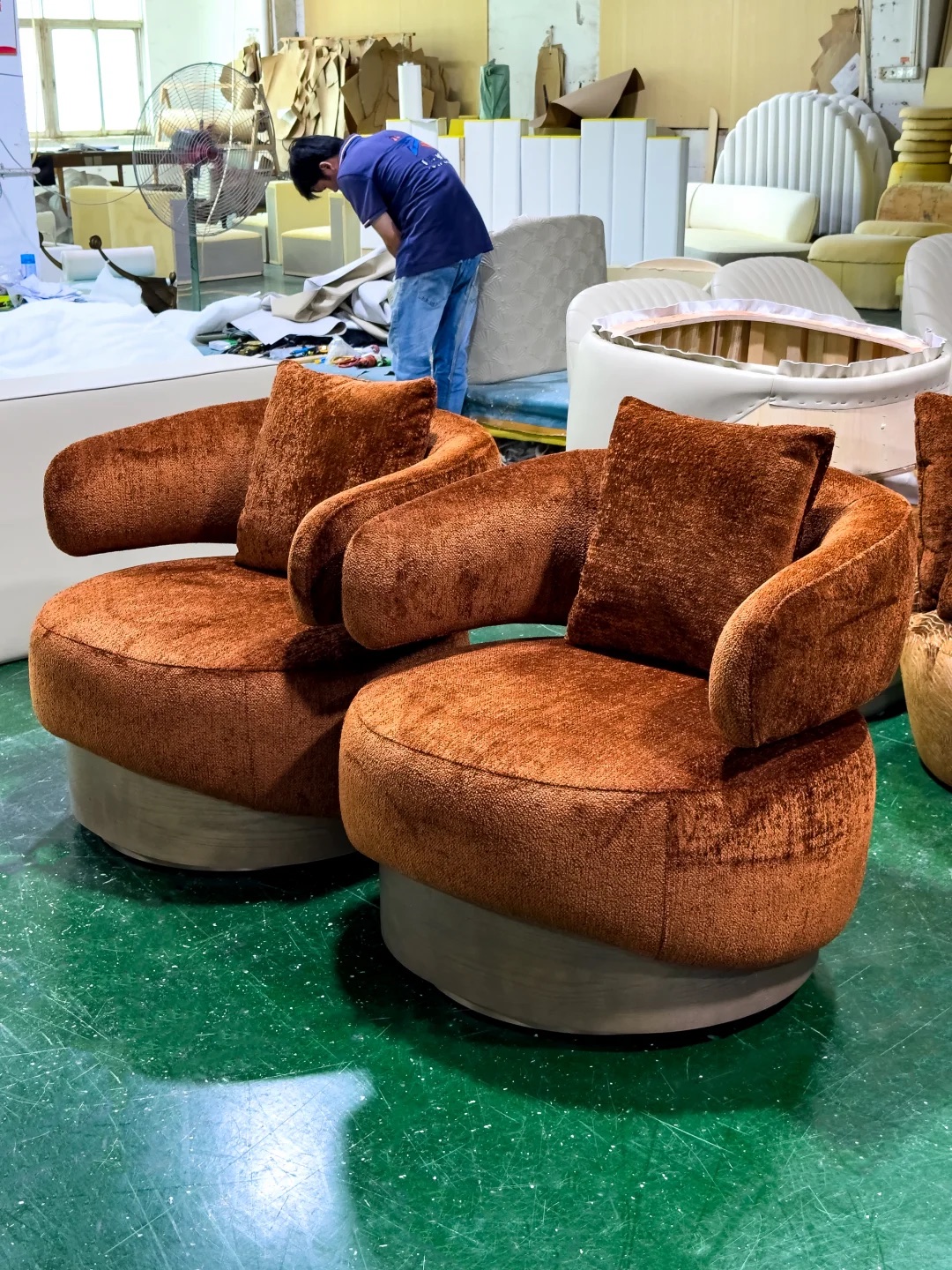
Approve a lounge chair by recording its identity, dimensions, workmanship and ordinary-use observations. Keep corrections and required test documents visible until each has been resolved.
Check the Sample Against the Order
Match the frame or model, fabric, feet and mechanism to the proposed specification. Note temporary parts. Inspect the rear and underside as well as the front because chairs may be visible from several directions in a hotel lounge.
Record the Room-Fit Review
Place the chair with its intended table and lighting. Review sitting, standing and any permitted rotation. Photograph conflicts and identify the affected item. Use agreed tolerances for measured dimensions rather than inventing a pass threshold during the visit.
Issue a Clear Decision
State approved, revise and resubmit, or pending evidence for each issue. Identify who will confirm a correction and what evidence is needed. Keep comfort preferences separate from structural concerns so an attractive finish does not close an unrelated open issue.
Approval Record
- Model and material references
- Front, rear and underside review
- Room fit and ordinary-use observations
- Decision, owner and recheck
BSI identifies safety, strength and durability requirements for adult non-domestic seating. BSI: BS EN 16139:2025 public preview. Visual sample approval is not a substitute for required performance testing.
Review the chair from its intended viewing positions
Mark the front, rear and each side on a small plan of the sample. Then mark the viewpoints that matter in the room: entrance, neighbouring seat and circulation route, for example. A chair against a wall and the same chair in the middle of a lounge expose different surfaces to view.
Photograph those views at a consistent distance and identify the sample revision. Record seam alignment, exposed frame finish and cover fit against the approved reference. Note the lighting used for the appearance review. A close photograph under another light may locate an issue without settling its color.
Distinguish a hidden detail from a missing one
Give each observation one of four states: observed and accepted, observed with a correction, not accessible, or awaiting documentation. For example, a neat bottom cover can be observed, while the frame connection behind it remains inaccessible. Do not mark that connection as inspected because the cover looks tidy.
Ask the supplier for model-specific construction photographs or an agreed means of access. Keep the bottom cover intact unless removal is authorised and appropriate for the sample. Do not reach into moving mechanisms or tip a chair using an improvised handling method to obtain a photograph.
The public preview of BS EN 16139 separates its seating performance requirements from a buyer's appearance review. An inaccessible connection may require documentary clarification; a visual record alone does not establish test compliance.
When a revised chair arrives, revisit the affected viewpoints and keep the earlier photographs. If the base, cover or frame has changed, identify which other decisions need review. This follows the evaluation-before-implementation sequence in APM change control.
Send YEINIHOME (言逸家) the room position and unresolved observations with the lounge-chair enquiry. Specify whether the request concerns visible workmanship or concealed construction so the reply can address the actual gap.
Questions Before You Order
What Does Conditional Sample Approval Mean?
Specify each outstanding correction and the evidence needed to close it. Do not leave the condition as a general comment about quality.
Does the Chair Need Reviewing in the Room Layout?
Review it with the intended table, lighting and movement space so fit issues are visible before final approval.
Does a finished bottom cover confirm the frame was inspected?
No. Record the visible cover separately from concealed construction. Request relevant documentation or an agreed inspection method for details that cannot be accessed.
Continue Your Procurement Review
References
Sources reviewed October 23, 2026. Suggested records and hypothetical examples are editorial tools. Standard references, where included, are limited to the publicly readable scope and do not certify a product.