PROJECT BUYING GUIDES / PLANNING
Plan Furniture Packages For Serviced Apartments
A serviced-apartment development needs repeatable furniture sets that still suit different unit layouts. Plan by apartment type, then connect each set to quantities, delivery phases and the operator’s handover requirements.
By Felix, YEINIHOME · Updated October 23, 2026 (Beijing)
Images on this page are editorial illustrations, not photographs of completed YEINIHOME projects.
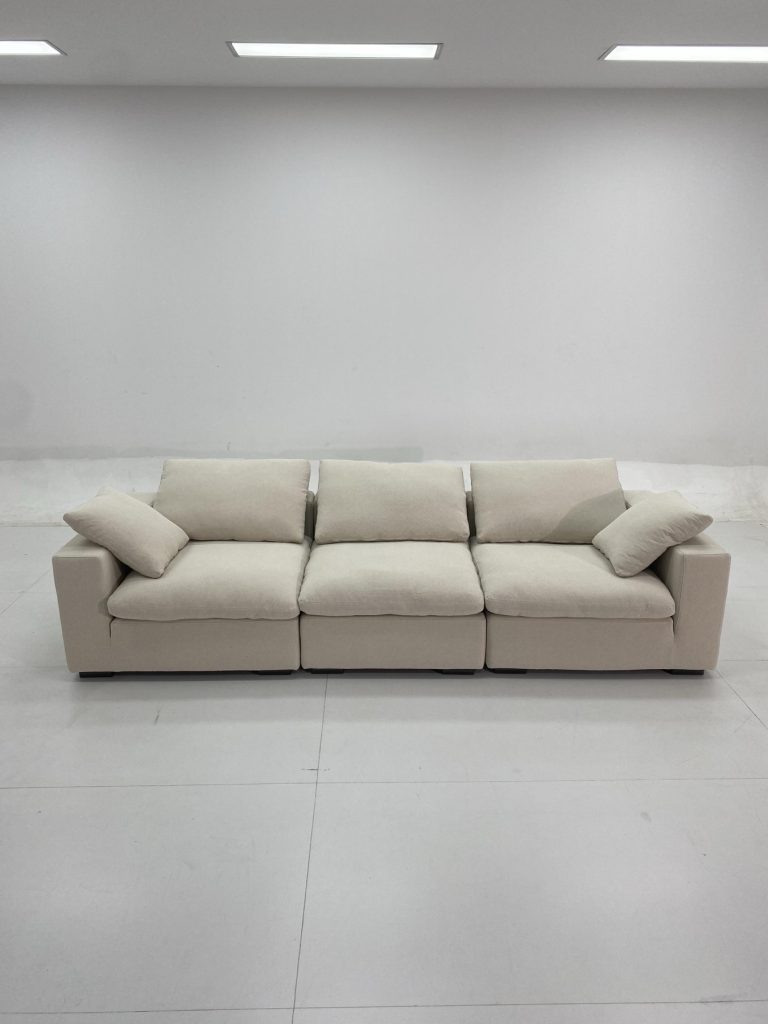
Create A Package For Each Unit Type
Separate studios, one-bedroom apartments and larger units according to the actual project mix. List furniture for sleeping, living, dining and working in each type. Identify pieces that repeat and those that change with the plan. List balcony furniture separately and confirm its outdoor suitability.
Keep Unit Quantities And Furniture Totals Separate
Use a separate line when the dimensions, finish or configuration differ. Calculate each item total from its quantity per unit and the number of units using that approved version. Keep optional items and shared-area furniture outside the base unit total.
| Unit Type / Revision | Furniture Item | Quantity Per Unit | Unit Count | Item Total | Finish / Open Decision |
|---|---|---|---|---|---|
| [Enter layout] | [Enter item code] | [Enter quantity] | [Enter units] | [Calculate total] | [Enter reference] |
| [Enter layout] | [Enter item code] | [Enter quantity] | [Enter units] | [Calculate total] | [Enter reference] |
Download The Blank Apartment Furniture Matrix
Label the drawing revision and retain the quantities used for each quotation. Use the blank sheet to record the quantities for your project.
Review The Whole Apartment Layout
Place the proposed furniture on the unit plan and show doors, storage openings and circulation. Check the relationship between dining and living areas in compact units. A work desk may need its own provision even when the dining table looks usable in a photograph. Ask the operator and designer to agree the intended functions and review the package against those decisions.
Standardise What Makes Sense
Use shared finish and item references where they fit the approved layouts, while recording genuine size or configuration differences. Keep a matrix of unit types against furniture quantities so a change in the apartment mix can be traced. Avoid replacing a specific drawing with a generic model name. The same visual style can contain different dimensions and package requirements.
Prepare For Installation And Operation
Group deliveries by building, floor or agreed handover phase. Link each carton to its item and apartment reference where the packing plan allows. Prepare a completion sheet for received, installed and outstanding items. Retain care information, finish samples and the final item references for the operator. Ask about replacement arrangements without assuming future availability or a reorder commitment that has not been agreed.
Project Brief Checklist
- Apartment types and unit counts
- Furniture set for each layout
- Functional and circulation review
- Shared references and exceptions
- Delivery groups and unit identification
- Care, completion and replacement records
Recalculate Furniture When the Apartment Mix Changes
Keep a quantity-per-unit column and a unit-count column even when most apartments look similar. Suppose twelve studios require two dining chairs each, and eight one-bedroom units require four each. That gives 12 × 2 + 8 × 4 = 56 chairs. If two studios become one-bedroom units, the revised total is 10 × 2 + 10 × 4 = 60. The increase is four chairs, although the building still has twenty apartments.
This is a hypothetical calculation, not a supplied project or standard package. It assumes the same chair specification across both unit types. If their finishes or models differ, calculate separate lines; one combined quantity would conceal a purchasing difference.
Keep Mirrored Layouts and Exceptions Identifiable
A mirrored apartment may keep the same item count but change a sofa's orientation or the approach to a desk. Retain a distinct layout reference until the designer confirms which pieces are interchangeable. Count approved exceptions explicitly rather than changing the master package for every unit.
When the unit mix changes, compare the old and new totals by item code. Check whether any changed units are already assigned to a delivery phase. Request confirmation of the effect on the order before treating a revised floor plan as an instruction to manufacture.
Track Installed Items Separately From Received Cartons
Use an apartment handover sheet with separate states for received, installed, checked and outstanding. A carton delivered to the floor does not establish that its contents are installed in the right unit. Record unresolved items against the apartment and furniture reference so the operator can see what still needs attention.
The RIBA Plan of Work distinguishes design coordination, manufacturing and handover.
Send the current matrix, drawing revision and exceptions to YEINIHOME serviced-apartment furniture supply. Use the separate villa and whole-home page for a single home's room-specific selection. Repeated units and one-off rooms need different quantity records.
Build an apartment furniture replacement plan by configuration
Group spare items by the apartments they can actually serve. Matching product names are not enough. A left-hand sofa, a narrower bedside cabinet or a chair with a different finish may need its own replacement reference even when it belongs to the same collection.
For each spare, record the item code, dimensions, orientation where relevant, finish revision and the unit types for which replacement has been approved. Link the record to the final furnished-unit schedule. Keep proposed substitutes outside the available-stock total until their compatibility has been confirmed.
Count usable, unassigned stock
In a hypothetical inventory, an operator holds four spare chairs of one approved configuration. One is reserved for a named apartment and one is damaged pending assessment. Only two are currently available for an unassigned replacement. Adding all four to an “available” column would hide an operational shortage.
This example does not prescribe how many spares to buy. Set that quantity using the operator's actual replacement experience, storage capacity and supplier-confirmed replenishment arrangements. If those inputs are missing, record them as unknown; do not turn a percentage borrowed from another property into an order requirement.
When stock is issued, record the destination apartment and update the remaining quantity. If an item is returned, review its condition before making it available again. Retain a separate status for items awaiting repair or a compatibility decision.
RIBA includes use and operation in the project lifecycle. Where a substitute changes an approved configuration, APM change-control guidance supports evaluating and recording that change before implementation.
Ask YEINIHOME (言逸家) about the current availability and specification of a proposed replacement through the serviced-apartment furniture page. Keep any lead time, finish-matching limit or reorder condition attached to that response. The original purchase does not establish indefinite availability.
Reconcile shared-area furniture with the apartment schedule
Give shared lounges, reception and staff areas their own location codes. Count their furniture once in the development total. Keep optional amenities in a separate status until the operator confirms they are in scope.
For a hypothetical scheme with twelve studios, two dining chairs per studio produce twenty-four chairs for the units. If a shared lounge needs six chairs, the combined requirement is thirty only when the same chair specification is approved for both uses. If the lounge uses a different model or finish, retain two purchasing lines even though the arithmetic total is still thirty.
The six lounge chairs are counted once. Multiplying a combined eight-chair line by twelve studios would produce ninety-six and overstate this example's requirement by sixty-six. This deliberately simplified calculation illustrates a spreadsheet error; it is not an order recommendation or a YEINIHOME project result.
Connect a purchasing line to its destinations
When one approved item serves several areas, keep a destination allocation beneath the purchasing line. Record the quantity for each unit type, common area and delivery phase. The allocation total should equal the purchase quantity, with proposed spares shown separately so they are not mistaken for installed furniture.
A change in the unit mix should recalculate the apartment allocation while leaving the common-area quantity unchanged unless that area has its own approved revision. Review both totals before reissuing the schedule. The APM change-control process supports recording the scope and effects of each change.
Use the same location codes during handover, consistent with the design-to-handover stages in the RIBA Plan of Work. Send YEINIHOME (言逸家) the unit matrix and common-area allocation with the serviced-apartment brief. A combined quantity can support purchasing, but the receiving team still needs to know where each item belongs.
Questions Before You Order
Can Studios and Larger Apartments Use the Same Furniture?
Some items may repeat, but approve each layout separately. Keep differences in dimensions, quantities and configuration visible.
How Should Replacement Items Be Identified?
Use the original model, finish and unit references. Ask the supplier to confirm current availability and any specification changes before ordering.
Does an unchanged apartment count mean unchanged furniture quantities?
No. A different unit mix can change quantities per apartment. Recalculate each item using the approved package for every unit type.
Can spare furniture be pooled across all apartment types?
Only where the relevant dimensions, configuration, finish and other requirements are confirmed compatible. Keep unconfirmed substitutes separate from available replacements.
Should shared-lounge furniture be multiplied by the apartment count?
No. Count it against its own shared-space plan. Combine it with apartment furniture only at the appropriate purchasing total, retaining separate location allocations.
References
Sources reviewed October 23, 2026. Suggested records and hypothetical examples are editorial tools. Standard references, where included, are limited to the publicly readable scope and do not certify a product.
Plan The Bed And Mattress Together
Planning Reference
The RIBA Plan of Work 2020 connects the project brief, design review and cost planning. Use the furniture schedule to record project-specific decisions; this reference does not set product specifications.