Buying Guides / Lounge Chair Guides
Lounge Chair Upholstery for Frequently Used Spaces
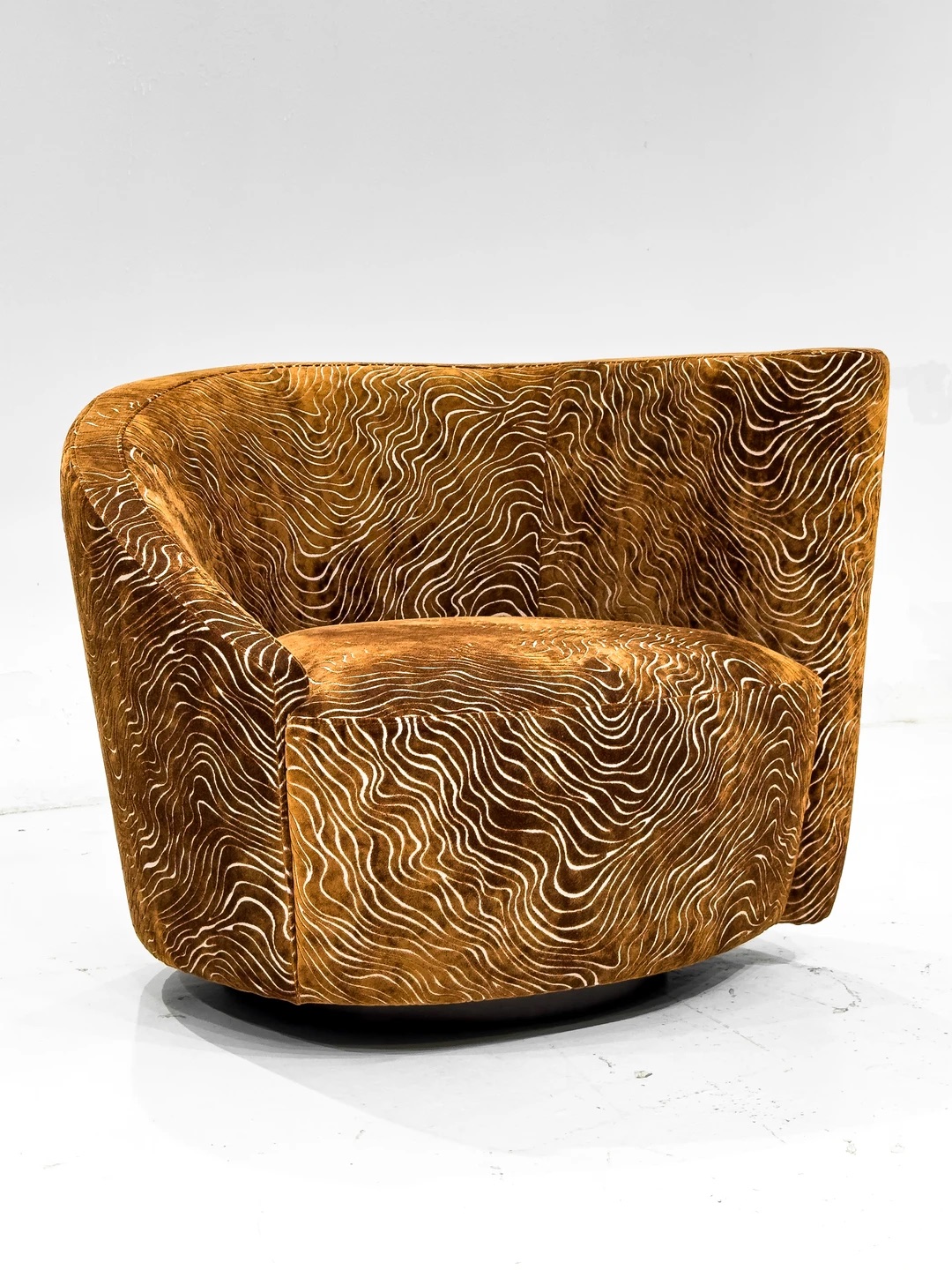
Specify lounge-chair upholstery with cleaning, appearance and maintenance in mind. Ask for evidence tied to the exact material, and review the fabric on the chair rather than relying only on a small swatch.
Describe the Operating Conditions
Identify the expected setting and housekeeping routine. A lobby, guest room and apartment may use different cleaning products and replacement procedures. Give the supplier those details before selecting a finish so limitations can be discussed early.
Review More Than Abrasion
Ask for the test method and material reference behind any reported result. Review seams, piping and exposed edges on the upholstered sample. Ask how the fabric behaves under the proposed cleaning method without assuming that a high test number answers that question.
Keep a Replacement Reference
Save the final fabric code, colour approval and care sheet with the chair item. Confirm whether replacement panels or covers are available for that construction. A later fabric substitution should be approved against the use and care requirements, not just a matching colour.
Approval Record
- Use and cleaning products
- Exact fabric and test method
- Seams and exposed areas
- Replacement and care information
ACT cautions that abrasion results do not predict fabric service life. ACT: Abrasion Disclaimer. Use abrasion data as one input rather than a promise of years in service.
Review lounge chair fabric durability with housekeeping
Put the actual cleaning product and method beside the fabric reference before approving the chair. Record the product name, intended dilution if specified, application method and the textile supplier's written response. A general description such as “hotel cleaner” gives too little information for a compatibility decision.
ACT warns against predicting service life from abrasion results. Its disclaimer also notes that flat-abrasion tests do not represent every kind of wear on upholstered edges. Review the chair's arms, piping and exposed seams separately from the number on the fabric report.
Resolve conflicts before approving the sample
If the operator's routine requires a product that the upholstery supplier has not approved, keep the material decision open. The choices may include changing the textile, changing the care method with the operator's agreement, or obtaining a model-specific assessment. Keep unconfirmed cleaners off the approved care sheet.
DLI describes W, S, W-S and X cleanability codes for household fabrics. These categories help explain why different fabrics need different care, but they are not a complete commercial-housekeeping specification. In particular, a water-based category does not establish suitability for every detergent, disinfectant, extraction machine or separate cover-washing process.
After the relevant supplier confirms a method, follow its instructions for any sample-area check and record the result when dry. Note colour change, texture change, residue and the area examined. Such a check records appearance under that procedure; it does not establish antimicrobial effectiveness or predict years of use.
For a YEINIHOME (言逸家) lounge chair enquiry, attach the fabric code and the operator's care requirements. Ask whether covers or panels are intended to be replaced on that construction. Keep a later substitute pending until its care instructions and evidence have been reviewed, even when its colour looks close to the original.
Ask a different evidence question for polyurethane-coated upholstery
If the proposed lounge-chair covering is a polyurethane-coated fabric, ask for its hydrolysis-resistance information as well as abrasion data. ACT explains that prolonged heat and humidity can break down susceptible polyurethane coatings. The material's composition and manufacture affect its resistance; a colour name or the general label “faux leather” does not identify that evidence.
ACT cautions against converting accelerated-test weeks into years of service. Keep the reported method, exposure and result in their original units. A claim such as “five years hydrolysis” needs clarification before it is copied into a project specification or warranty comparison.
Keep the report and the care decision linked to one material
Use one row for each offered covering. Record its exact code and construction, the report reference, what that report actually measured, and the supplier's response to the operator's named cleaners. Leave a missing report field open. Do not accept the woven-fabric report for a visually similar coated alternative.
If an installed coating cracks or flakes, describe the condition and retain the material and cleaning records. ACT notes that chemical exposure can produce damage resembling hydrolysis. A photograph alone cannot settle the cause, and this distinction is not evidence of a defect in any named supplier's material.
For YEINIHOME (言逸家) lounge-chair selection, ask whether the proposed covering is offered for that model and request the corresponding evidence. Keep the decision pending if the report identifies a different material. These checks do not claim that YEINIHOME upholstery has passed a hydrolysis test or establish a service-life guarantee.
Questions Before You Order
Can a Matching Colour Be Accepted as the Same Fabric?
No. Compare the material reference, care instructions and required evidence before approving a substitution.
What Should Be Asked About Replacement Covers?
Confirm whether removal is intended, which components can be replaced and how the correct material is identified. Do not infer these details from a seam or zip alone.
Does a W cleaning code approve every water-based cleaner?
No. Obtain the instructions for the exact upholstery and proposed product.
Can a hydrolysis test result be quoted as years of chair life?
No direct conversion is justified. Keep the test method, exposure and result as reported, and confirm warranty terms separately. ACT specifically cautions against equating test weeks with service years.
Continue Your Procurement Review
References
Sources checked October 29, 2026. Public standards scopes do not certify a product.