Buying Guides / Dining Furniture Guides
Inspecting Dining Tables and Chairs as a Set
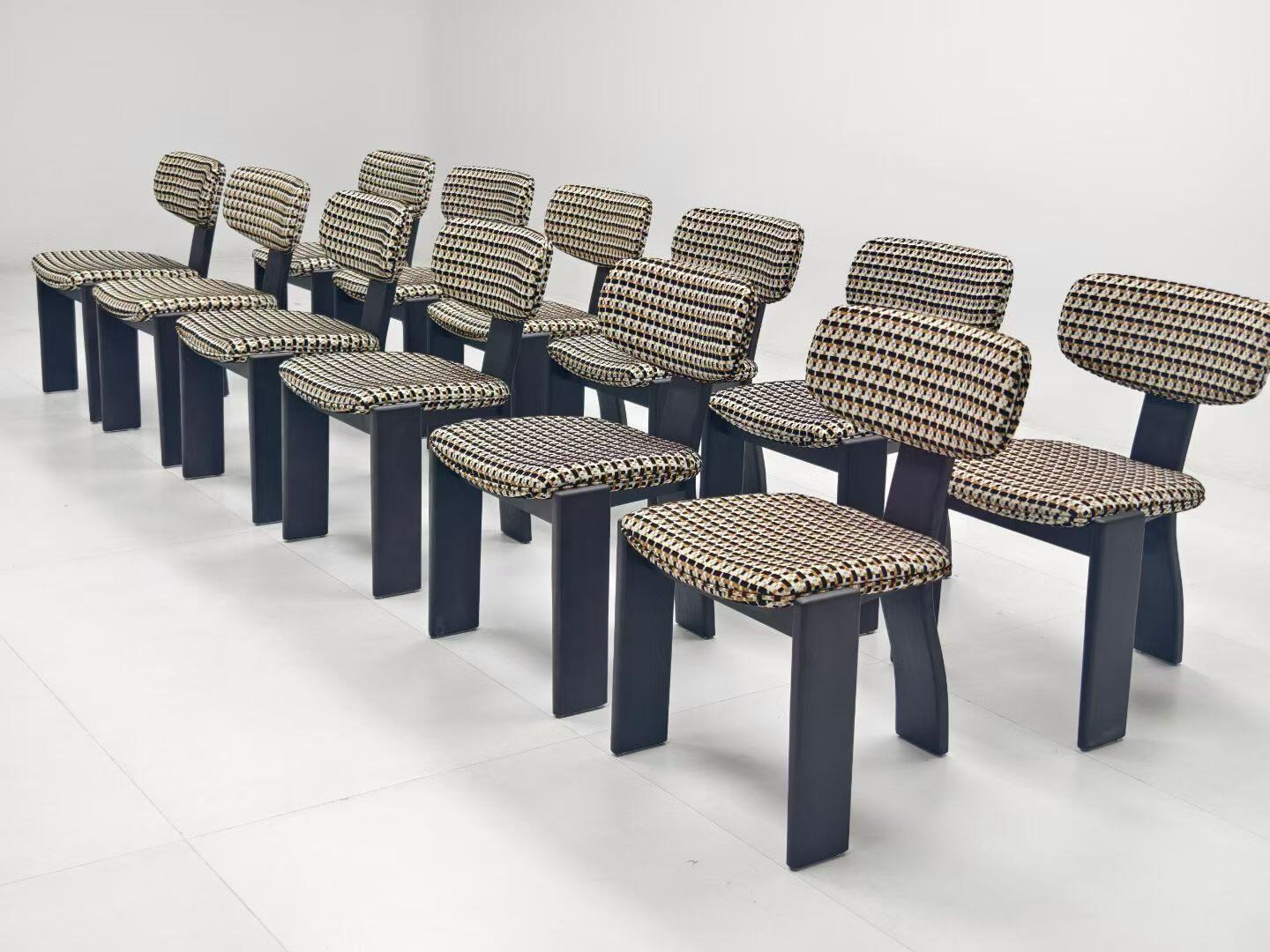
Inspect the dining set together, even when tables and chairs come from different suppliers. Check dimensions, appearance and ordinary use as a pairing, then keep performance evidence separate from the visual review.
Match the Items to the Schedule
Record the table and chair model codes, finishes and drawing revisions. Note substitutions before starting. Check quantities and distinguish a sample approval from a delivery inspection of multiple units.
Review the Assembled Set
Confirm the table sits as intended on the prepared floor, inspect visible joints and edges, and review chairs in side and end positions. Record arm interference, finish mismatches or unexpected movement with photographs. Follow the assembly instructions rather than improvising adjustments.
Track Corrections by Item
Use one issue record per defect or interface, naming the affected component. Decide whether the supplier needs to send a new sample or provide another agreed form of confirmation. Do not close an unresolved structural concern merely because the surface appearance has improved.
Approval Record
- Table and chair identity
- Pairing and dimensional checks
- Finish and workmanship observations
- Open action and evidence needed
BSI describes safety, strength and durability requirements for non-domestic tables. BSI: BS EN 15372:2023 public preview.
Give each reviewed seat a position on the plan
Label the table and the chair positions before reviewing the assembled set. A side chair beside a table leg can behave differently from an end chair beside the base. Record the actual chair reference at each position, including any armchair used at the head of the table.
Use one record for each observed issue: table reference, chair reference, seat position, photograph, observation and next action. Review the intended sitting and standing movement with the approved layout. Stop if there is unexpected movement, damage or another concern that needs assessment; do not improvise a load test.
Choose the correction from the type of issue
- An individual defect belongs to a named item, such as a damaged edge on chair C04. Record that unit and location.
- A pairing conflict belongs to two specifications, such as an arm contacting the table apron. Identify both revisions even if each item appears satisfactory on its own.
- A room-layout conflict belongs to a position, such as a chair meeting nearby furniture during ordinary use. Refer it to the person responsible for the room plan.
These examples do not diagnose a cause or assign contractual responsibility. They keep the evidence specific enough for the relevant supplier or designer to respond.
The public scopes for non-domestic tables and non-domestic seating address different products. A table report does not establish chair performance, and neither can be replaced by a photograph of a coordinated set.
State how many units and positions were actually reviewed. Approving one sample chair does not mean that every chair in a delivery has been inspected. Agree any production or receiving inspection plan separately; this article supplies no sampling rate or acceptance threshold.
For a YEINIHOME (言逸家) dining set, send the labelled seating plan with the issue records. Request a response that identifies the corrected item or pairing, then repeat the affected review before closing it.
Questions Before You Order
Should Tables and Chairs From Different Suppliers Be Reviewed Together?
Yes. Check the assembled pairing against the same room and seating plan before approval.
Does a Complete Carton Count Mean the Set Is Accepted?
No. Check item identity, components, assembly and visible condition, then record remaining issues under the agreed inspection process.
Does checking one chair beside the table cover every seat?
No. Record the positions and units reviewed. Different end positions, table legs or chair configurations can need their own checks, and a sample review does not inspect an entire delivery.
Continue Your Procurement Review
References
Sources reviewed October 23, 2026. Suggested records and hypothetical examples are editorial tools. Standard references, where included, are limited to the publicly readable scope and do not certify a product.