Buying Guides / Dining Furniture Guides
Stone, Wood and Glass Dining Tables: Care Questions
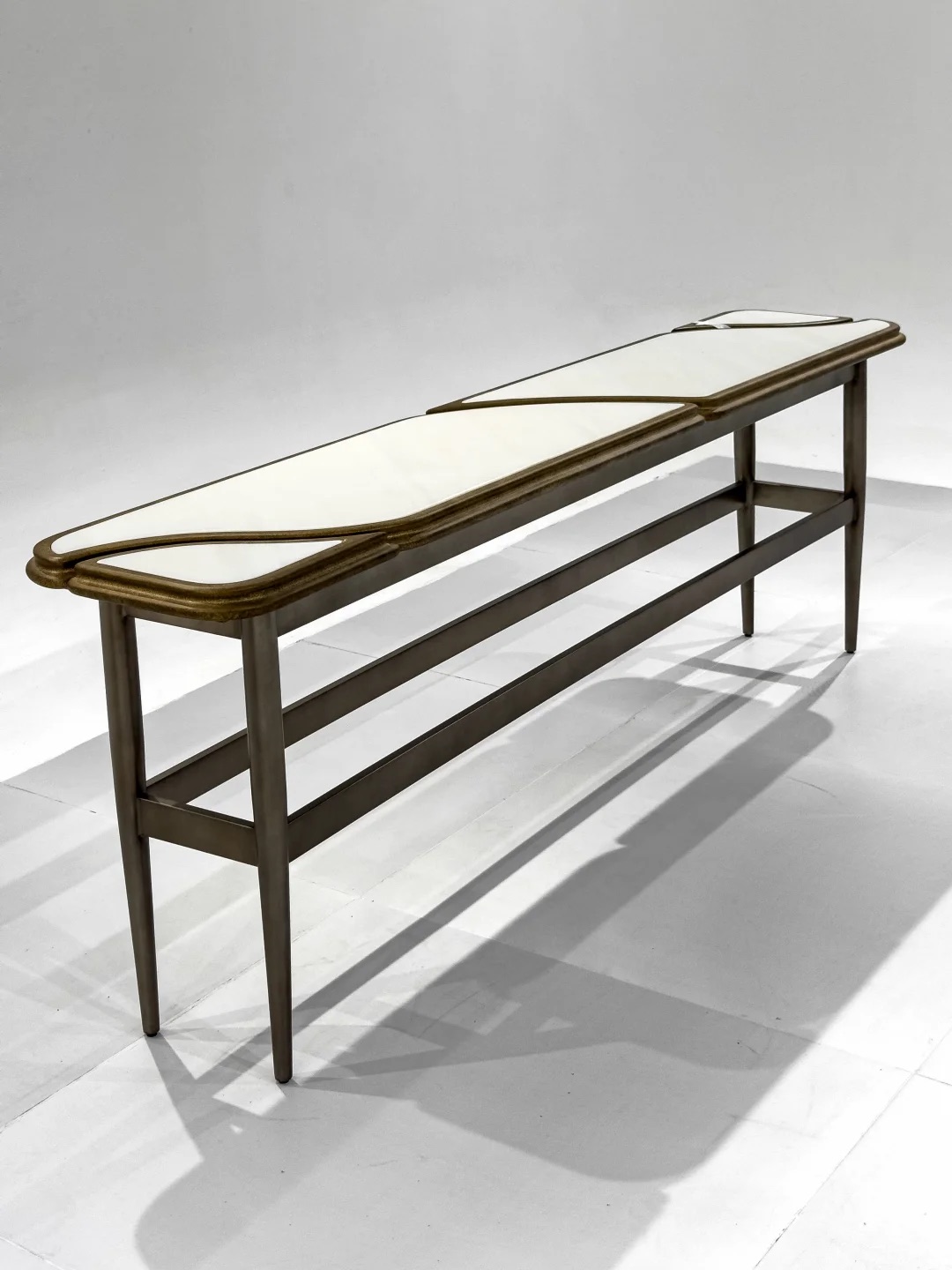
Compare dining-table materials through their exact specification and approved care method. A broad label such as stone, wood or glass does not tell the operator how the finished surface should be maintained.
Name the Actual Surface
Ask for the stone identity, timber or panel construction and finish, or glass specification as applicable. Include edge details and the connection to the base. Keep a labelled sample with the schedule so a similar-looking replacement is not accepted without review.
Discuss the Cleaning Routine
Give the supplier the proposed cleaning products and ask for written compatibility guidance. For a hotel breakfast room, consider spills and repeated wiping as part of the operating brief. Do not carry a cleaning instruction for one material across every tabletop in the project.
Approve Appearance and Maintenance Together
Review the sample under the room lighting and agree the treatment of variation. Ask how surface damage would be assessed and which repair or replacement options are available. Keep these answers specific to the selected finish rather than treating all materials as equally repairable.
Approval Record
- Exact surface and finish reference
- Approved cleaning instructions
- Edge and attachment details
- Variation and repair discussion
The Natural Stone Institute advises identifying the stone before selecting cleaning products. Natural Stone Institute: Care and Cleaning. Natural-stone advice does not automatically apply to engineered surfaces or every coating.
Ask what protection a stone finish actually provides
“Sealed stone” is not a complete care specification. The Natural Stone Institute: care and cleaning explains that impregnating treatments increase stain resistance rather than make stone stain-proof. It also warns that acidic products can etch calcareous stone. A statement about stain resistance does not establish resistance to acid attack.
For a breakfast table, identify the actual stone, any coating or impregnating treatment, and the permitted cleaning product. Ask how the finish should be treated after a spill and whether the supplier recommends coasters or other protection. Natural-stone guidance does not automatically apply to sintered, engineered or coated surfaces.
Separate a mark from its proposed remedy
Record whether a reported problem is a change in gloss, a coloured mark, a scratch or an unidentified surface change. Photograph it and note the substance involved if known. Send those observations to the supplier before attempting a repair. Do not polish the table on site without appropriate instructions.
For wood alternatives, the Canadian Conservation Institute: wooden furniture care notes that water can mark finishes. Request the selected finish's instructions rather than transferring the stone-cleaning routine to the wood sample.
Send YEINIHOME (言逸家) the material reference and operating routine with the dining-table enquiry. Resolve the protection and maintenance questions before approving the surface. Keep any maintenance interval specific to the treatment actually supplied.
Questions Before You Order
Is a Stone-Look Surface Necessarily Natural Stone?
No. Request the actual material and coating description before applying natural-stone care guidance.
How Should Natural Variation Be Approved?
Review representative samples and record the accepted range with the supplier. A single photograph does not define every pattern in an order.
Does sealing a stone tabletop make it acid-proof?
Do not infer that from a sealing claim. Confirm the stone and treatment, then obtain specific care guidance. Stain resistance and resistance to acid attack are different questions.
Continue Your Procurement Review
References
Sources checked October 27, 2026.