Buying Guides / Coffee & Side Table Guides
Coffee and Side Table Delivery Inspection
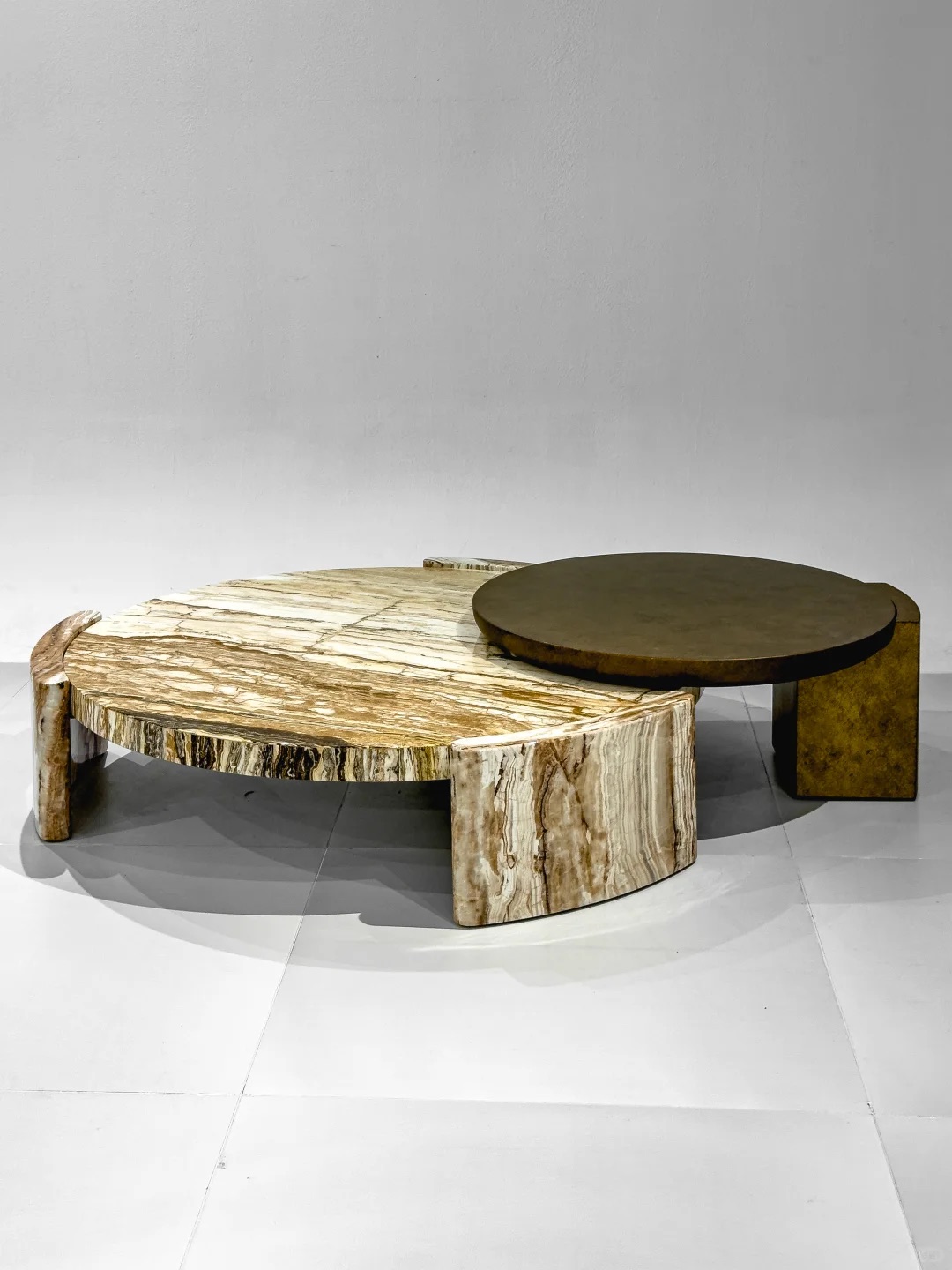
Inspect the tabletop, edges, base and packaging before accepting a coffee or side table. Record damage and assembly issues against the exact item rather than treating a complete carton count as a complete inspection.
Record the Package Condition
Match carton labels to the order and photograph visible damage before opening. Follow the agreed unpacking procedure and retain relevant packaging until any claim or discrepancy is documented. Identify which pieces belong together if the top and base arrive separately.
Inspect the Assembled Item
Check finish references, edge condition and visible connections. Confirm that the specified hardware is present and used according to the instructions. Record unexpected movement or poor alignment rather than trying an unapproved site repair.
Separate Appearance From Evidence
A receiving inspection can document chips, scratches and missing parts; it does not demonstrate long-term strength. Where the project requires testing, keep the relevant report with the item schedule and have its applicability reviewed separately.
Approval Record
- Carton and order identity
- Top surface and edge condition
- Base, hardware and assembly
- Photographed issues and action owner
BSI describes safety, strength and durability requirements for non-domestic tables. BSI: BS EN 15372:2023 public preview.
Reconcile components before counting complete tables
Build a short component list from the packing information: finished table reference, top carton, base carton, hardware pack and instruction revision. Where the supplier uses serial or pairing labels, retain those identifiers. If no pairing information is provided, request it before mixing components from different cartons.
Suppose two tables are delivered in four cartons, with each top packed separately from its base. Receiving four cartons establishes a package count. It does not establish that two complete tables are available: a hardware pack may be missing, a top may be damaged or the two bases may have different fixing arrangements. This is a hypothetical example, not a YEINIHOME packing specification.
Record the status of each finished-table reference as components checked, pending clarification or ready for the agreed assembly process. Keep an unconfirmed top and base together in a clearly identified holding area, following the supplier's storage instructions. Do not swap fixings or drill new holes to make an uncertain pairing fit.
Photograph the issue and its context
Take a package view showing the relevant label, a whole-component view and a closer view of the affected area where safe to do so. Describe what is visible, such as a chipped corner or missing fitting. Do not write "carrier damage" or "manufacturing defect" unless the evidence and investigation establish that cause.
The BS EN 15372 public scope concerns table performance within its stated limits.
If a replacement changes the approved top, base or fixing arrangement, use a documented review before assembly. APM change-control guidance supports evaluating a proposed change before implementation. For YEINIHOME (言逸家), send the table and carton references with the photographs through the coffee and side table page. Confirm the next action and reporting process for that order without assuming a universal claim deadline.
Questions Before You Order
Should Damaged Packaging Be Discarded Immediately?
Follow the agreed reporting process and retain relevant packaging until the discrepancy is documented. Record its condition before opening.
Can Visual Inspection Confirm Table Strength?
No. It records visible condition and assembly issues; any required performance evidence needs separate review for the selected model.
Can I pair any delivered top with any base of the same style?
Only where the supplier confirms the components and fixings are compatible. Match the packing references first and keep uncertain combinations pending rather than modifying them on site.
Continue Your Procurement Review
References
Sources reviewed October 23, 2026. Suggested records and hypothetical examples are editorial tools. Standard references, where included, are limited to the publicly readable scope and do not certify a product.