Buying Guides / Coffee & Side Table Guides
Side Table Placement for Seats, Lamps and Everyday Use
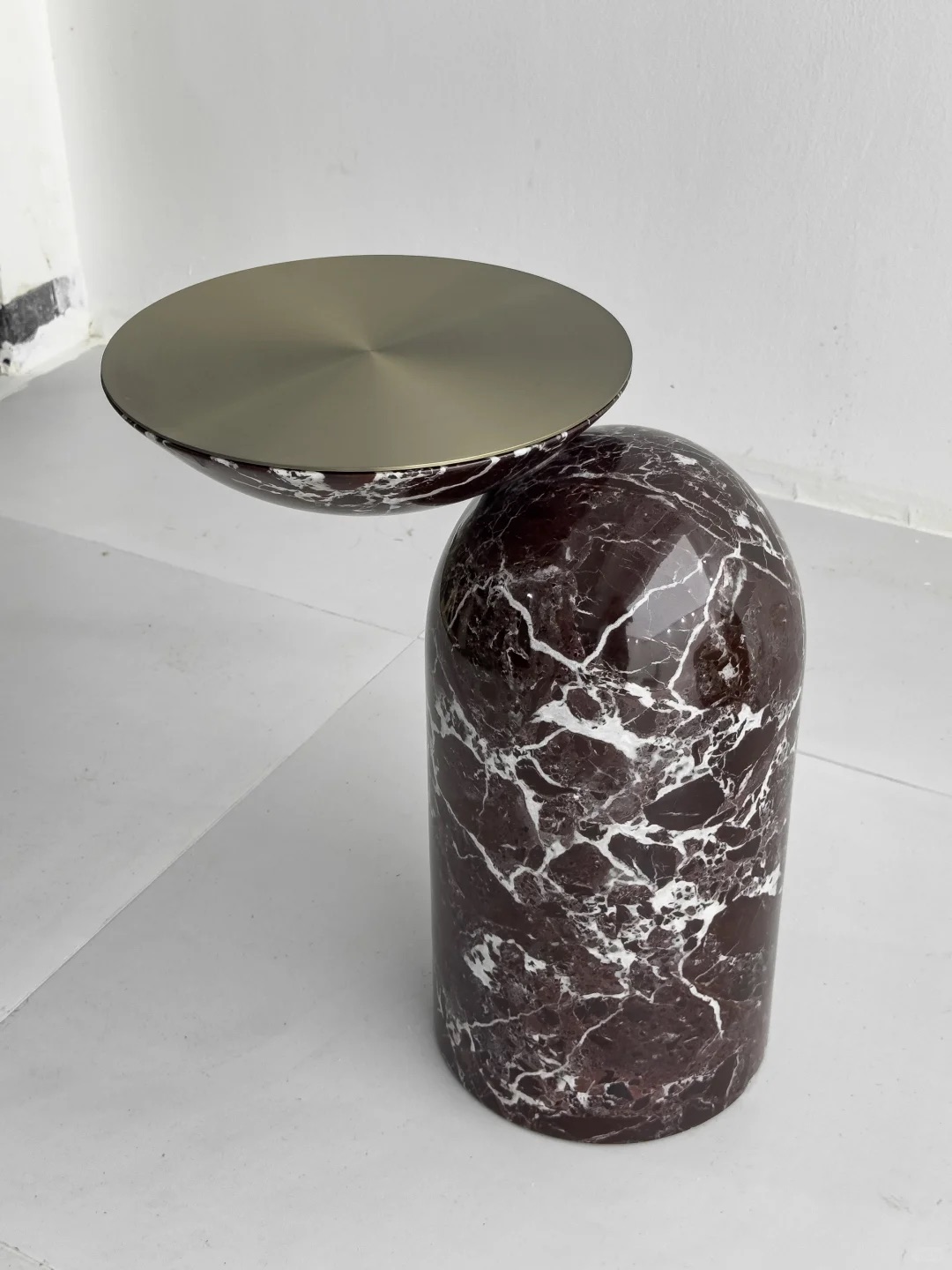
Place a side table where it supports the seat and task it is intended to serve. Check reach, lamp position and cables together rather than treating the table as a spare space-filling object.
Name the Task
Decide whether the surface holds drinks, a reading lamp, a phone or a shared display. Allow surface space for that task. A table mostly occupied by a large lamp may leave little room for the guest’s belongings.
Review From the Seat
Try the table beside the actual chair or sofa arm and check the reach in an ordinary seated position. Review which side is approached and whether the table interferes with sitting down or standing up. Where two seats share it, check access from both.
Coordinate Lighting and Cleaning
Show the outlet and cable route with the furniture plan. Have the relevant project professional confirm electrical arrangements. Ask how the table and lamp can be moved for cleaning without creating an unresolved handling or cable problem.
Approval Record
- Seat and table references
- Usable area after the lamp is placed
- Reach from each intended seat
- Outlet and cable arrangement
Check side table height with the objects in use
Place the proposed table beside the actual seat and use the intended lamp, book or tray during the review. If these are not available, make labelled paper templates of their footprints. Use templates to check overlap; review stability, lamp use and reach with the actual items.
Record the table-top height, seat and arm references, and the edge from which the user approaches. Ask the reviewer to sit normally before reaching for the intended object. If the task requires leaning across a high arm or moving the table into a walkway, revise the arrangement and check again.
Use a simple placement record
- Draw the lamp base and identify the shade's overhang separately.
- Mark the space needed for the user's drink, phone or reading material.
- Check whether switches and drawers remain accessible.
- Record the cable route and who must confirm the electrical arrangement.
- Review the position after the table has been moved and returned for cleaning.
A shared table needs a record from each seat. A user on one side may reach a clear edge while the other faces the lamp base. Do not approve both positions from a single front-view photograph.
This placement record is a practical project aid, not a prescribed ergonomic dimension. The BS EN 15372 public scope excludes electrical safety, so evidence for a non-domestic table cannot approve its lamp, outlet or integrated charging equipment.
Send YEINIHOME (言逸家) the seat reference, table dimensions and object footprints through the coffee and side table enquiry. Resolve material and load questions for the actual top and base. The fact that the objects fit on a drawing does not establish that the table is suitable for their load or use.
Questions Before You Order
Can One Side Table Serve Two Chairs?
It may, if both seated users can reach it and the arrangement leaves room for their intended tasks. Check with the actual chairs.
Where Should the Lamp Cable Run?
Show the proposed route on the plan and ask the relevant project professional to confirm the arrangement. Resolve access and cleaning needs before installation.
Should a side table always match the sofa arm height?
No single height suits every seat and task. Review the actual table from the occupied seat, with the intended objects and access route in place.
Continue Your Procurement Review
References
Sources reviewed October 22, 2026. Standards references are limited to publicly readable scope.