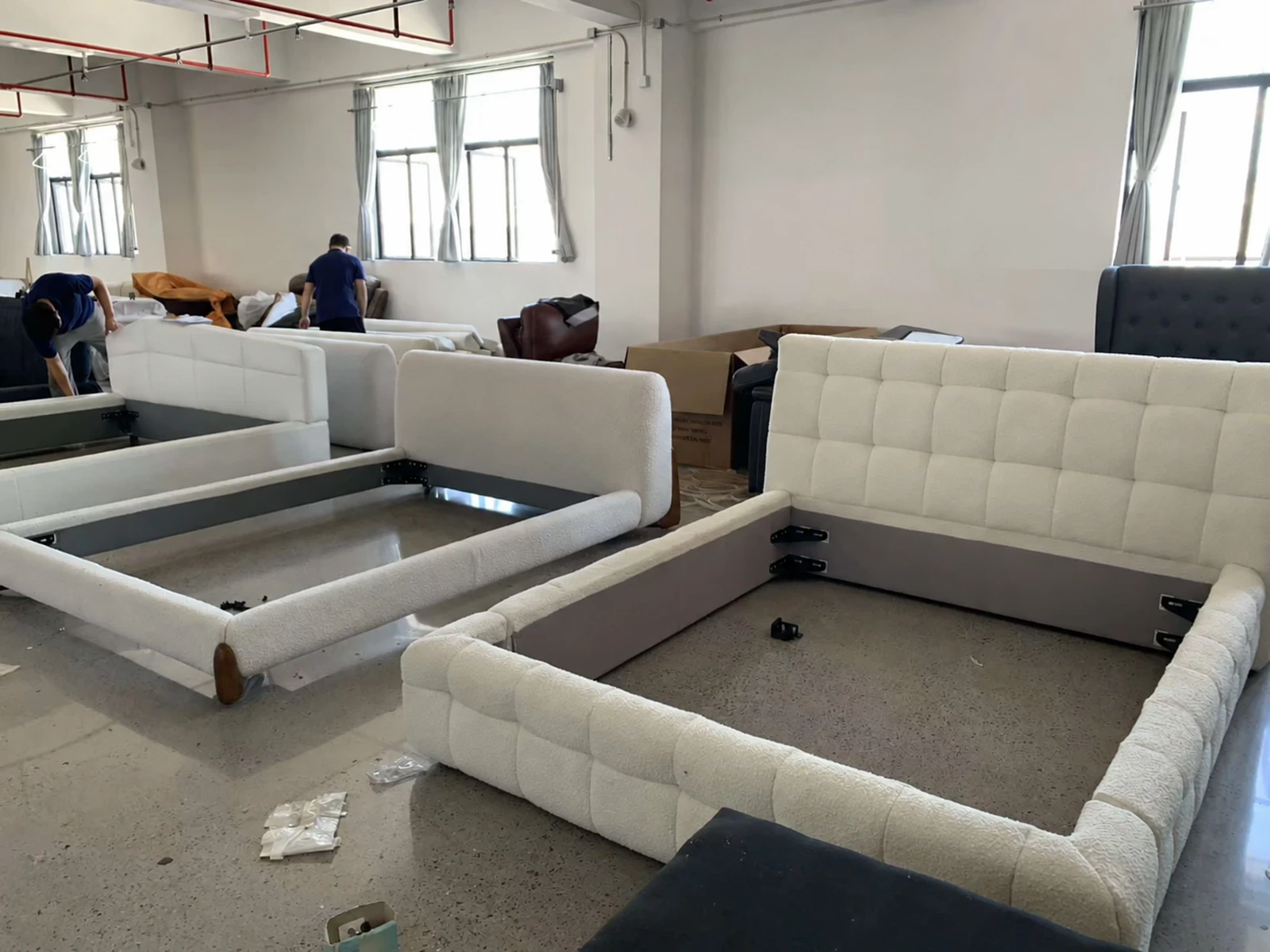
The word “delivery” can conceal several boundaries. A supplier may mean transport to a loading area. The hotel may expect furniture in its final position. Resolve that difference in the agreed scope before scheduling the first shipment.
Define where the supplier’s work ends
Ask each supplier and service provider to describe its delivery boundary in plain language. Identify the named location, receiving conditions, unloading arrangements, internal movement, assembly, and waste removal.
For international purchases, reference the selected Incoterms rule, place, and edition. Incoterms allocate defined transport responsibilities and risk, but do not settle every sale condition or remedy for defects and delay.[1] The hotel’s installation contract still needs its own detailed scope.
Create one delivery contact list with a lead for the hotel, carrier, supplier, warehouse, and installation team. Give the scheduling coordinator authority to resolve a missed slot or an unready floor within the project’s agreed process.
Use a responsibility schedule that matches the contracts
The following is a proposed allocation to review, not a universal division of duties. Replace each role with the contracted party’s name and record the agreed boundaries.
| Activity | Proposed lead to confirm | Required handoff record |
|---|---|---|
| Booking delivery | Project logistics coordinator | Confirmed date, slot, truck and access details |
| Unloading | Contracted receiving or installation team | Delivery receipt and visible-damage notes |
| Quantity checks | Named receiving lead | Item and carton count against packing list |
| Temporary storage | Warehouse or site custodian | Storage location and condition record |
| Room distribution | FF&E installer | Item codes and assigned room locations |
| Assembly and fixing | Appointed installation trade | Completion checks against instructions |
| Defect resolution | Project manager coordinating responsible parties | Defect log, action owner, and status |
| Final acceptance | Owner’s authorized representative | Room checklist and recorded exceptions |
Keep the schedule with the purchase orders and installation scope. If those documents contradict each other, resolve the conflict before arrival rather than asking the site team to interpret it under time pressure.
Release deliveries only when the site can receive them
Check loading access, working hours, floor readiness, lift availability, storage conditions, and the route to the guestrooms. Confirm who protects completed finishes and who controls access while furniture is moved.
Use a delivery release checklist. The supplier should know who can authorize dispatch and what evidence of site readiness is required. If the hotel cannot receive the goods, establish the alternative storage arrangement and its costs before shipment.
Consider packaging during the access review. An assembled desk might fit the room but fail to pass a corridor turn in its shipping crate. Resolve the delivery route and permitted unpacking area in advance.
Check site access before each delivery
Map how the furniture will travel from the truck to each room: unloading point, service entrance, corridors, lifts, stairs and room doors. Different wings or public areas may use different routes. Photograph restrictions, mark them on a plan, and confirm access windows and shared use of service areas with the site manager.
Match the package sizes to the route. Request package dimensions and handling information for beds, headboards, sofas and tables, and confirm which components can be separated and by whom; don’t assume an upholstered headboard folds or a table base detaches. Door width is only part of the check: include turning space, lift interiors, stair headroom and room beside each doorway, and ask whether temporary works or stored materials will narrow the route. The UK Health and Safety Executive’s manual-handling guidance assesses the task, the load, the environment and the people together, so give the handling team the route and package schedule for a route-specific assessment.
Record who checked the route, which package revision was reviewed and what conditions apply, and recheck when a design or package size changes. Keep unresolved access items on the delivery release list.
Check quantities and condition at receiving
Give the receiving team the packing list and item schedule before the truck arrives. Compare carton identifiers and counts, note visible damage, and take photographs that connect the package to its label and delivery record.
Follow the carrier’s and supplier’s agreed reporting procedures and deadlines. A signature acknowledging receipt should not be treated internally as proof that every item is free of concealed damage. The contractual meaning of that signature needs to be understood by the person signing.
Record shortages and damaged items separately. A missing chair, a damaged carton awaiting inspection, and a finished item with a scratch require different actions. Retain packaging and supporting evidence where needed for the agreed claim process.
Distribute furniture by room and revision
Match each furniture item to its room assignment. Where room types differ, use an approved room matrix rather than relying on a general floor count. Keep left- and right-handed versions, finish variations, and special dimensions identifiable.
Ask the installer to record substitutions and hold unapproved items out of installation. If a room receives an alternative finish or a revised component, update the record so maintenance can identify it later.
Wall fixing, electrical connections, and other specialist work should be carried out by the appropriate appointed trades following the approved design and applicable requirements. A general furniture assembly scope should not silently absorb those responsibilities.
Keep defects separate from final acceptance
Create a defect log with room, item code, issue, photograph, responsible party, proposed action, and closure evidence. Set a process for deciding whether an item should be adjusted, repaired, replaced, or held for review.
Check completed rooms against the approved furniture layout and supplier instructions. Confirm hardware operation, agreed fixing, packaging removal, and the delivery of care information. Record outstanding work explicitly.
Receiving, installation completion, and final acceptance are useful separate milestones. Define their contractual consequences, including any payment conditions, rather than letting one signature stand for all of them.
Separate unloading risk from a charge included in the quote
ICC Academy’s explanation of Incoterms 2020 DAP and DPU identifies the unloading distinction. Under DAP, goods are delivered at the agreed destination ready for unloading; unloading risk is the buyer’s. Under DPU, the seller delivers after unloading at the agreed place and point, with that unloading at the seller’s risk and expense.
ICC also notes that a DAP carriage contract may already include an unloading charge. A charge appearing in the transport price does not by itself change the rule’s allocation of unloading risk. Ask the parties to identify the agreed term, precise destination, unloading arrangement and included charges together.
Describe what happens after the named delivery point
For a hypothetical hotel order delivered to a specified loading bay, record who takes the unloaded packages from that bay to the guestrooms. List room distribution, unpacking, assembly and waste removal in the relevant service scope. An unloading term at the bay does not describe those later tasks.
Keep the named delivery point identical in the order, logistics instructions and receiving plan. If the hotel wants a different point, obtain a revised agreement and feasibility check before dispatch. The International Trade Administration explains that Incoterms do not settle all sale conditions, ownership transfer or payment timing.
For a YEINIHOME (言逸家) hospitality enquiry, state the location and services you need confirmed. These examples explain the documents to compare; they do not announce a delivery term or installation service offered for every YEINIHOME order.
Frequently asked questions
Does an unloading charge in a DAP quote make it DPU?
No. ICC distinguishes the allocation of unloading risk from a charge included in the carriage contract. Confirm the agreed rule, named point and charges with the contracting parties.
Who should unload hotel furniture?
The party whose contract includes unloading and who has the appropriate people and equipment. Confirm that scope with the carrier and site team; do not assume a transport quotation includes unloading labor.
Who is responsible for damage discovered after installation?
Preserve the evidence and follow the agreed claim process. Responsibility depends on the facts and the relevant contracts. Use receiving, storage, and installation records to establish when the issue was identified and what happened to the item.
Can the installation team sign for the hotel?
Only within the authority given to it. Define whether its signature confirms quantities, visible condition, installation completion, or acceptance. Make exceptions and escalation contacts clear before delivery.
Close the handoffs before opening the rooms
A workable hotel FF&E delivery and installation plan connects the packing list to the receiving record, the room assignment, and the acceptance checklist. Give every transition an owner and retain the exceptions. That is more useful than discovering, after delivery, that several parties understood the same service differently.
Coordinate the scope with the phased hotel furniture delivery plan and site access checks. For a YEINIHOME hotel furniture enquiry, identify the supply and site services that require confirmation.
Discuss Your Hotel Furniture Brief ↗
References
- International Trade Administration: Know Your Incoterms
- ICC Academy: DAP and DPU explained
- HSE: Assessing manual handling
Sources checked November 2, 2026.